
Caragana brevispina
Caragana brevispina
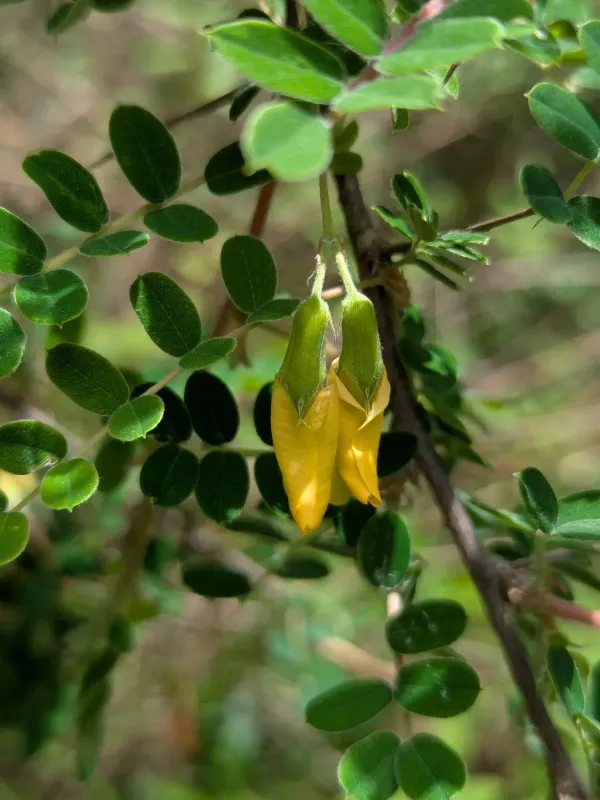
Description
Growing requirements
Caragana brevispina is a deciduous shrub belonging to the Fabaceae family, recognized for its exceptional resilience in harsh environments. It is native to the high-altitude and arid regions of Central Asia, specifically across the mountains of Afghanistan and the Indian subcontinent.
This species thrives in stony, rocky, and gravelly soils where few other woody plants can survive. Its high environmental plasticity allows it to adapt to significant temperature fluctuations, which are characteristic of its native mountain habitats.
The root system of Caragana brevispina is deep and highly developed, designed to secure the plant firmly in loose soil while accessing moisture from deeper strata. This makes it a crucial species for soil erosion prevention on mountain slopes.
Sunlight is the primary requirement for healthy growth, as this shrub is a classic heliophyte. Providing full sun exposure is essential for maintaining its vigor and promoting abundant flowering during the growing season.
Proper agronomic management involves avoiding planting in heavy, poorly drained clay soils. Waterlogging is detrimental to the species, potentially causing root rot and compromising the structural integrity of the plant's root system.
Yield
Caragana brevispina serves significant roles in land management, particularly in forestry and soil conservation projects. By fixing atmospheric nitrogen through root nodules, it helps rejuvenate nutrient-depleted soil in arid ecosystems.
The shrub is valued as a browse species for livestock in mountain areas where forage is often scarce. Its protein-rich foliage serves as a reliable nutritional supplement during difficult climatic periods when grasses are dormant.
During its flowering stage, the plant acts as an important nectar source for pollinators. This ecological function helps sustain local insect populations, which is vital for the health of the surrounding ecosystem.
Wood from this shrub is known for its durability, finding use in local handicrafts and as a source of fuel. This adds economic value to the cultivation of Caragana in rural mountain communities.
The biomass yield is heavily dependent on precipitation patterns and the specific site conditions. Strategic planting density is key to maximizing its benefits in both erosion control and forage production contexts.
Main diseases and pests
Root rot remains the most serious disease threat for Caragana brevispina, particularly in areas with high soil moisture or poor drainage. These conditions inhibit root health and can lead to the rapid decline of plant populations.
Leaf-feeding insects and various types of mites pose risks to the shrub's photosynthetic surface. While natural ecosystems usually keep these pests in balance, concentrated plantations may require monitoring to ensure foliage health.
Overgrazing by domestic animals is a major anthropogenic threat to young plants. Heavy browsing prevents the establishment of new seedlings, effectively halting natural regeneration in areas used for intensive animal husbandry.
Rodent damage, particularly to the bark during winter months, can introduce pathogens into the woody tissue. Such wounds may lead to secondary infections that weaken the plant's overall architecture.
Preventative strategies, including site selection for optimal drainage and rotational grazing practices, are essential to mitigate these risks and ensure the long-term sustainability of Caragana brevispina plantings.