
Beijing caragana
Caragana pekinensis
Description
Growing requirements
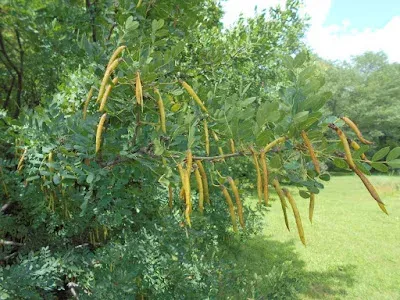
Beijing caragana (Caragana pekinensis) is a perennial deciduous shrub belonging to the Fabaceae (legume) family. Native to the northern regions of China, this plant is well-regarded for its adaptability to challenging environmental conditions and its ability to thrive where other species might struggle.
The plant exhibits high drought tolerance and frost resistance, making it an excellent candidate for shelterbelts and soil stabilization projects in continental climates. Its deep and spreading root system plays a crucial role in preventing soil erosion, particularly in sloped or sandy areas where vegetation cover is sparse.
One of the most valuable agronomic features of Caragana pekinensis is its ability to improve soil quality. As a legume, it hosts symbiotic nitrogen-fixing bacteria in its root nodules, which enriches the soil with nitrogen, thereby enhancing the productivity of surrounding vegetation over time.
Regarding soil and site conditions, the Beijing caragana prefers well-drained, nutrient-poor, or sandy soils. While it can survive in various soil types, it performs best in sunny locations. It does not tolerate waterlogging, so site selection should prioritize areas with good natural drainage to prevent root issues.
In addition to its land-management benefits, this species is highly valued as an early-season honey plant. During the spring bloom, it provides a consistent source of nectar for pollinators, contributing to the local ecosystem's balance and supporting apiary productivity in agricultural landscapes.
Main diseases and pests
Common pests associated with this species include aphids and various leaf-feeding beetles, which can cause cosmetic or, in extreme cases, physiological damage. Integrated pest management strategies, focusing on biological control agents, are usually sufficient to maintain healthy populations without excessive chemical intervention.
Pathogenic threats generally involve fungal leaf diseases that thrive in high humidity or stagnant air conditions. Ensuring proper spacing between plants during the installation phase and practicing annual pruning are essential cultural techniques to promote air circulation and mitigate the risks of disease development.