


Reference · Crops
Cassia
Cassia
Sowing of Cassia is typically performed in the spring season when the soil temperatures consistently remain above 20 degrees Celsius. Maintaining proper warmth during the germination phase is essential for establishing a uniform plant stand.
4
items
What the section contains
Marketplace
Products in this section · 4

Triflurex 240 g.e., (Trifluralin, 240 g/l)
F.A.GAN Chemical Manufacturers Ltd. Israel, member
Herbicides
0
0
No offers
—
Details


Cassia
Before planting, seeds often undergo mechanical or chemical scarification to break dormancy. This process allows water to penetrate the hard seed coat more efficiently, significantly improving the overall germination rate.
In field production, seeds are sown in rows with spacing between 60 to 70 centimeters to optimize light interception and ventilation. The planting depth is usually kept between 2 and 3 centimeters for optimal emergence.
Soaking seeds in a diluted nutrient solution or a growth stimulant for 24 hours prior to sowing is a common practice among farmers to boost initial vigor and resistance to early environmental stress.
Thinning is performed shortly after the seedlings reach a height of 5–10 centimeters. This ensures that the remaining plants have sufficient space to develop their root systems without excessive competition.
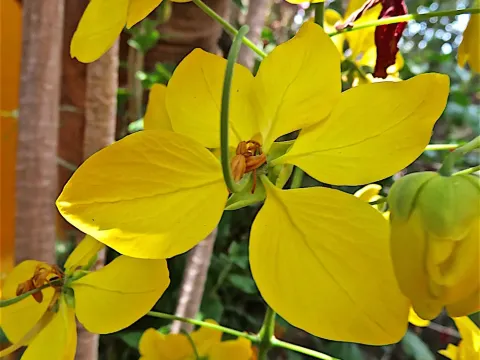
Cassia is a prominent member of the Fabaceae family, encompassing a wide range of trees, shrubs, and perennial herbs native to tropical and subtropical regions across the globe.
The plant thrives in full sun exposure. It requires a high intensity of light for optimal growth and to promote the development of secondary metabolites, which are essential for its various industrial and pharmaceutical applications.
The ideal soil conditions include well-draining, sandy-loam structures with a neutral or slightly acidic pH. Poor drainage can lead to root suffocation, making the plant highly susceptible to fungal infections.
While Cassia is known for being moderately drought-tolerant once established, consistent soil moisture is crucial during the early stages of growth to support rapid biomass development and plant canopy expansion.
Fertilization regimes should prioritize organic matter and balanced NPK ratios. Ensuring that the soil is enriched with phosphorus is particularly beneficial for promoting flower production and overall crop vitality.
The yield of Cassia depends heavily on the specific species grown and the local climatic conditions. Farmers focus on maximizing the harvest of leaves and pods, which are the primary parts of interest for commercial trade.
Under optimal agronomic management, yields can range from 1 to 2 tonnes of dry raw material per hectare. Success relies on precise timing of harvesting and efficient post-harvest handling to preserve the quality of the product.
Multiple harvests per season are possible in tropical climates, as the plant responds well to pruning by producing new, vigorous shoots. Each subsequent harvest must be balanced with adequate fertilization to avoid nutrient depletion.
Productivity is further enhanced by implementing integrated pest management and weed control strategies. Keeping the field free of invasive plants ensures that the crop maintains access to essential soil nutrients.
Modern mechanization, including the use of specialized harvesting equipment, has contributed to higher operational efficiency and lower production costs in large-scale commercial Cassia operations.
Root rot and wilt diseases are the most significant threats to Cassia, often caused by stagnant water conditions. Preventive measures include ensuring proper soil slope and good field drainage systems.
Pests such as aphids and spider mites frequently attack the foliage, especially during dry spells. These pests can transmit viral pathogens and cause significant stress to the plant, reducing its photosynthetic efficiency.
Regular monitoring of the plantation is vital for the early detection of disease symptoms. Timely intervention with appropriate treatments can save the crop from severe economic loss and maintain high product standards.
- Implementation of crop rotation to break pathogen life cycles in the soil.
- Use of biological control agents to manage aphid and mite populations.
- Maintaining field hygiene by removing crop residues that might harbor pests.
Sustainable agricultural practices are preferred to preserve the medicinal quality of the harvested materials, as many consumers demand residue-free products for their specific end-use industries.