
Caragana brevifolia
Caragana brevifolia
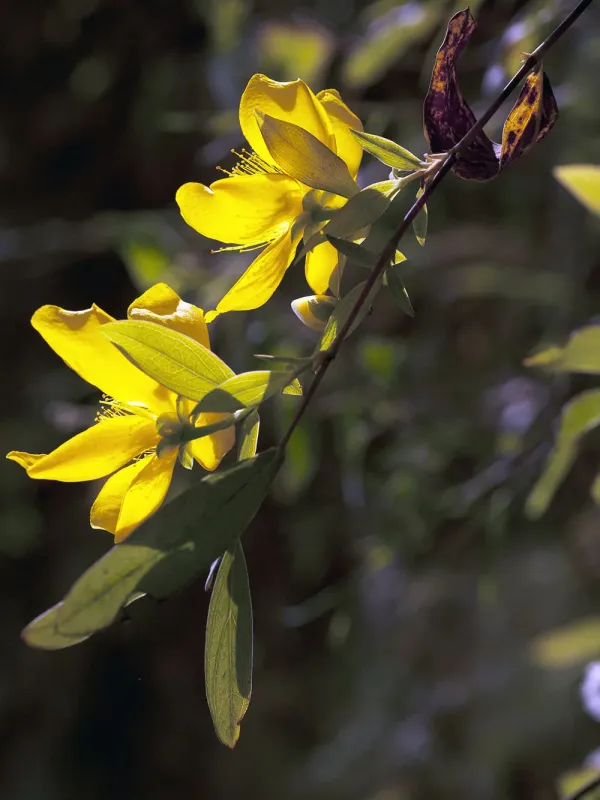
Description
Sowing dates
Caragana brevifolia, a member of the Fabaceae family, is typically propagated through seeds. In nursery settings, sowing is performed in the spring following a cold stratification period to enhance germination rates significantly.
For direct seeding in permanent locations, well-lit areas with sandy or rocky soils are ideal. Due to its taproot system, establishing the plant directly in its final growing site is preferred to avoid the stress associated with transplanting mature bushes.
When used for shelterbelts or pasture improvement, planting density should be calculated based on the specific agricultural goal. In arid environments, maintaining sufficient spacing between rows is critical to reduce competition for soil moisture.
Seeds should be planted at a depth of 2–3 centimeters, depending on the soil texture. Optimal sowing occurs when the soil temperature rises above 10–12 degrees Celsius in the spring.
Young seedlings require consistent weeding, as the plant exhibits slow growth during its first year. Once the root system is established, the plant becomes exceptionally hardy and requires minimal intervention.
Growing requirements
This shrub is native to high-altitude and steppe environments, demonstrating remarkable adaptation to the harsh conditions of Central Asia. Caragana brevifolia is highly resistant to extreme temperature fluctuations and severe drought.
The plant requires full sun exposure to maintain its vigor and biomass production. Shaded conditions often lead to sparse foliage and decreased resilience, which is counterproductive for forage or land restoration purposes.
Caragana brevifolia thrives in poor, stony, and rocky soils, as it is not demanding in terms of nutrient richness. It performs best in well-drained, aerated substrates with a neutral to slightly alkaline pH level.
It displays superior cold tolerance, allowing it to survive extreme winter dormant periods characteristic of its native habitat. This makes it an ideal candidate for reclamation projects in cold, arid regions.
Its ability to form symbiotic relationships with nitrogen-fixing bacteria allows the plant to improve soil quality naturally, promoting the growth of neighboring vegetation and increasing overall ecosystem productivity.
Yield
The primary agricultural use of Caragana brevifolia is as a forage source in arid pastoral areas. It provides valuable green matter and dry fodder for livestock, including sheep, goats, and camels, especially during the winter season.
Biomass production is dictated by site conditions and the age of the shrubs. Under optimal conditions, the plant produces dense leafy branches that are rich in proteins and essential minerals for animal nutrition.
To maximize forage yield, controlled pruning is recommended to encourage bushiness. Managed grazing regimes are essential to prevent over-browsing, ensuring the plant retains enough vitality to regenerate successfully.
The shrub is also highly regarded for its role in soil conservation. Its root network effectively stabilizes slopes and prevents wind erosion, playing a crucial role in combating desertification in fragile landscapes.
Seed production is reliable, facilitating the collection of high-quality propagation material for large-scale ecological restoration and agricultural field expansion projects.
Main diseases and pests
Caragana brevifolia possesses strong natural resistance to most pathogens, though high humidity and overcrowding can occasionally lead to outbreaks of powdery mildew.
Common legume pests, such as leaf-rollers and aphids, can damage foliage during peak infestation years, potentially reducing the growth rate and nutritional quality of the forage.
Rodents represent a significant threat in natural habitats, as they may gnaw on the bark or root collar during winter, which can severely weaken or even kill young specimens.
Overgrazing remains the most significant human-induced factor hindering population growth. Persistent browsing of new shoots prevents the plant from maturing and reduces its capacity for annual regeneration.
Disease prevention is best managed by maintaining appropriate spacing between plants and performing regular sanitary pruning to remove dead or diseased branches during the winter dormancy period.