
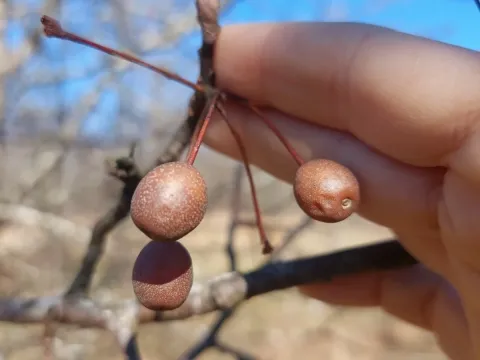
Pyrus bretschneideri
Pyrus x bretschneideri Rehder
Pyrus bretschneideri, commonly known as the Chinese white pear, is a species of pear tree in the family Rosaceae. It is native to North China and is widely cultivated for its high-quality, crisp, and juicy fruits.
What the section contains
Pyrus bretschneideri
This species is well-suited to deep, fertile, and well-drained loam soils. It prefers neutral to slightly acidic soil conditions. Proper site selection, which provides good drainage and sun exposure, is fundamental for healthy root development and tree longevity.
Climate requirements involve moderate temperate zones with distinct seasonal changes. While the tree is relatively cold-hardy, late spring frosts can jeopardize flower buds, necessitating careful site selection to avoid frost pockets in orchards.
Agrotechnical practices include systematic fertilization, typically using a balanced NPK ratio to support seasonal growth cycles. Mulching is recommended to maintain soil moisture levels and suppress weed competition during the early stages of tree development.
Pruning is an essential practice to maintain tree vigor and structural integrity. Regular thinning of the canopy ensures better air circulation and light penetration, which are critical for fruit quality and preventing fungal pathogens.
The fruit of Pyrus bretschneideri is prized for its excellent sensory attributes, including a firm, crisp texture and a sweet, refreshing flavor profile. These characteristics make it a highly desirable commercial crop in international fruit markets.
Yield performance is optimized through the use of high-quality rootstocks and intensive management practices, such as precision irrigation. Proper pollination management is essential, as many cultivars require compatible cross-pollinators to set fruit effectively.
Harvesting should be performed at the correct stage of maturity to maximize shelf life and consumer satisfaction. Manual handling is standard to avoid physical bruises, which can lead to rapid quality decline and losses during storage.
Post-harvest management involves rapid cooling to remove field heat, followed by storage in controlled atmosphere facilities. This technique significantly extends the availability of the fruit, allowing for long-term distribution and export potential.
The fruit's versatility is a key economic driver, as it is suitable for both fresh consumption and various industrial processing methods, including canning and beverage production, thanks to its durable flesh structure.
The primary pathological threats to this species include scab, fire blight, and various leaf spot diseases. These conditions can significantly reduce overall tree productivity and fruit aesthetic quality if not managed with proactive phytosanitary measures.
In terms of pests, the pear fruit moth and various scale insects present constant challenges to growers. Integrated Pest Management (IPM) strategies, including biological control and targeted chemical applications, are recommended to maintain ecological balance.
Effective orchard hygiene is the first line of defense; this includes the removal and destruction of fallen leaves and pruned branches that may harbor overwintering pathogen spores or insect eggs during the dormant season.
Regular tree canopy management, including dormant and summer pruning, helps in maintaining the tree health, as open canopies dry faster after rain, thereby reducing the duration of conditions suitable for fungal infection.
Monitoring programs using pheromone traps and regular scouting help to pinpoint pest outbreaks, ensuring that control interventions are applied precisely when needed, which reduces the cost of inputs and environmental impact.