
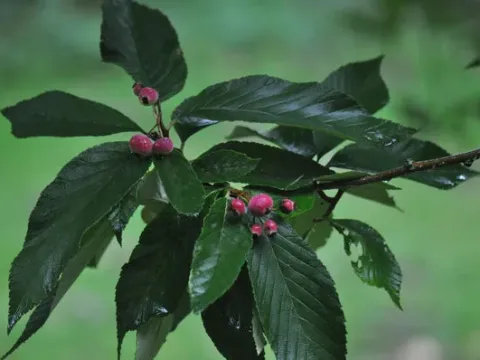
Pale mountain ash
Sorbus pallescens
Sorbus pallescens, commonly known as the pale mountain ash, belongs to the Rosaceae family. This species is recognized for its unique biological traits, which make it a noteworthy subject for botanical research and ornamental horticultural applications.
What the section contains
Pale mountain ash
Native to East Asia, specifically the northern regions of China, this species is well-adapted to temperate climates. Its natural habitat includes mountainous terrains and forest edges, where it demonstrates significant resilience to fluctuating environmental conditions.
The cultivation of Sorbus pallescens requires careful site selection. It thrives in well-drained, fertile soil, ideally with a neutral to slightly acidic pH. Sufficient solar radiation is essential, as the species performs best when provided with ample sunlight throughout the growing season.
Agronomic practices for this tree involve ensuring consistent moisture levels, particularly during the early stages of establishment. Regular monitoring of soil conditions is advised, as the species is sensitive to waterlogged soils which can induce root stress.
In terms of хозяйственное (economic) utility, the pale mountain ash is primarily utilized for its aesthetic appeal in public parks and private gardens. Its hardiness also makes it a viable candidate for sustainable urban forestry projects and ecological landscaping.
Like many species in the genus Sorbus, the pale mountain ash is susceptible to various fungal pathogens, most notably powdery mildew. These diseases can impair foliage health if humidity levels are consistently high without proper air circulation.
Insect pests, including aphids and leaf-mining moths, can cause significant damage to the leaf tissue and tender shoots during the spring growth flush. Integrated pest management strategies are recommended to maintain plant health without excessive chemical intervention.
Environmental stress can often predispose the tree to secondary infections or wood-decay fungi. Maintaining tree vigor through proper pruning, sanitation of deadwood, and adequate nutrition is vital to prevent long-term damage to the woody structure.
Good phytosanitary practices, such as removing fallen leaves and maintaining a clean planting area, are essential to minimize the risk of recurring pest infestations. This helps to interrupt the life cycle of many common garden pests and pathogens.
In cases of severe infestation, targeted applications of horticultural oils or approved insecticides may be necessary. It is important to strictly follow usage guidelines to ensure the safety of surrounding beneficial insects and the environment.