
Birchleaf pear
Pyrus betulifolia Bunge
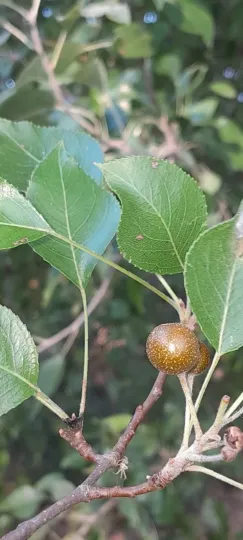
Description
Growing requirements
Birchleaf pear (Pyrus betulifolia Bunge) is a deciduous tree belonging to the Rosaceae family. It is native to northern and central China, characterized by its distinctive birch-like foliage, which gives the species its common name.
This species is highly regarded in pomology for its exceptional tolerance to alkaline and saline soils, making it an ideal rootstock for commercial pear orchards in regions where other varieties struggle. It is noted for its vigorous growth and extensive root system.
In terms of climatic adaptation, Pyrus betulifolia is highly drought-resistant and cold-hardy. It thrives in open, sunny locations with well-draining soil, ensuring that the roots remain healthy and are not prone to waterlogging.
The cultural requirements are straightforward, focusing on proper soil preparation and spacing. Because of its vigorous nature, it provides strong structural support for grafted commercial pear scions, resulting in productive and long-lived orchards.
Maintenance involves regular monitoring of soil moisture and nutrient levels. While it tolerates various soil types, maintaining a slightly acidic to neutral pH is preferred for maximum nutrient uptake efficiency.
Main diseases and pests
Fire blight (Erwinia amylovora) remains the most significant threat to Pyrus betulifolia, necessitating strict phytosanitary measures and regular inspections of the canopy.
Fungal pathogens such as scab can cause significant leaf damage, reducing the plant's overall vigor. Implementing a fungicide spray schedule during the active growth period is essential for healthy nursery stock.
Pest pressure from aphids and mites is common, especially in young saplings. Integrated pest management (IPM) practices should be employed to mitigate these populations without harming beneficial insects.
Root rot fungi can emerge in poorly drained soils, leading to tree decline. Ensuring appropriate site selection with adequate drainage is the primary defense against such soil-borne threats.
Finally, pruning for airflow is a critical practice to prevent the micro-climate within the canopy from becoming too humid, which reduces the risk of most airborne disease outbreaks.