
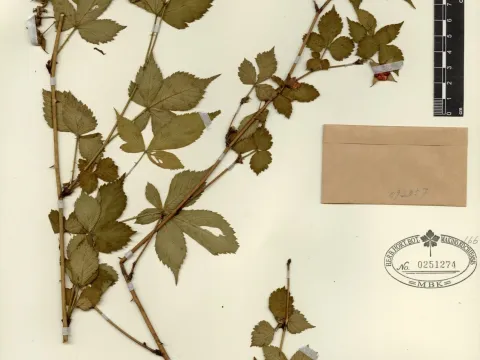
Pentagon blackberry
Rubus pentagonus
Pentagon blackberry (Rubus pentagonus) is a perennial shrub belonging to the Rosaceae family. This species is native to mountainous areas, which has shaped its biological adaptation to high-humidity environments and moderate temperature regimes.
What the section contains
Pentagon blackberry
Cultivation of this plant requires specific site selection, focusing on regions with sufficient solar radiation to promote vigorous growth. Despite its hardy nature, protection from harsh, drying winds is essential to prevent mechanical damage to the young, delicate shoots and foliage.
The soil requirements for Rubus pentagonus focus on drainage and organic content. The plant thrives in well-structured, slightly acidic soils that allow for rapid root penetration and prevent the risk of waterlogging, which is a common cause of failure in berry production.
Water management is a cornerstone of the agronomic practice for this crop. Consistent moisture levels are required during the flowering and fruit-setting stages. Automated irrigation systems are recommended to maintain soil moisture levels without causing excessive humidity on the leaves.
Soil fertility must be managed through the application of organic amendments, such as compost or well-rotted manure, applied in early spring. This ensures the availability of micronutrients needed for consistent yield and berry quality throughout the harvesting season.
Common pathological issues in Rubus pentagonus include fungal infections like rust and anthracnose. These pathogens are exacerbated by high humidity and poor air circulation, making pruning an essential preventative measure for every grower.
Insect pests such as spider mites and aphids are frequently observed on this species. These pests can rapidly compromise the health of the plant by draining sap, leading to stunted leaf development and reduced yield of commercial berries.
Effective management requires a combination of Integrated Pest Management (IPM) strategies. Regular monitoring and the introduction of natural predators are preferred over broad-spectrum chemical interventions to maintain the local ecosystem balance.
Sanitation is critical in preventing the buildup of inoculants. Fallen leaves and debris must be removed and destroyed to minimize the overwintering of pathogens near the root zone, ensuring a clean environment for the next growth cycle.
Early diagnosis of infestations is vital. Growers should inspect the underside of the leaves regularly, as this is where pests typically initiate their feeding cycles before spreading throughout the entire plantation.