
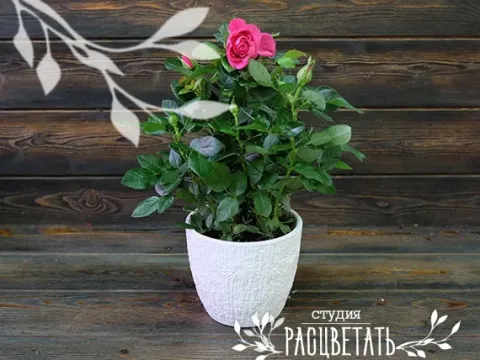
Patio rose
Rosa patio
The patio rose belongs to the Rosaceae family and represents a distinct group of cultivars known for their compact size. These roses typically reach a height of 45 to 60 centimeters, making them perfectly suited for container gardening, patio decor, and borders in small landscapes.
What the section contains
Patio rose
These plants require a location with full sun to thrive, ideally receiving at least six hours of direct sunlight per day. Adequate light exposure is essential for maintaining a compact growth habit and encouraging the continuous production of blooms throughout the growing season.
The ideal growing medium is a well-draining, fertile, and slightly acidic soil with a pH between 5.5 and 6.5. When grown in containers, it is critical to use a high-quality potting mix that prevents waterlogging while maintaining sufficient moisture retention for the roots.
Consistent care includes regular, deep watering at the base of the plant to avoid wetting the foliage, which can predispose the plant to fungal issues. Balanced fertilizers should be applied during the active growing cycle to support vigorous flowering and overall plant health.
Winter protection is necessary in temperate climates to prevent freeze damage. Methods such as hilling the base with mulch or using horticultural fleece are recommended to protect the graft union and main stems from extreme cold temperatures during the dormant period.
Patio roses are susceptible to common rose pests including spider mites, aphids, and thrips. These insects can cause significant damage to the foliage and buds, necessitating regular monitoring and the application of appropriate contact or systemic insecticides.
Fungal diseases, most notably powdery mildew and black spot, present significant challenges in humid environments. These pathogens thrive when air circulation is poor and leaves remain damp for extended periods, leading to defoliation.
Integrated pest management, which includes choosing resistant cultivars and maintaining strict sanitation practices, is the most effective approach. Removing fallen leaves and infected plant material helps reduce the inoculum levels in the garden.
Pruning is vital not only for shape but also for health; thinning the center of the plant improves airflow and light penetration. Always use sterilized tools to minimize the risk of spreading bacterial or fungal infections between plants.
When chemical control becomes necessary, it is essential to follow manufacturer guidelines and rotate active ingredients to prevent the development of resistance in pest and disease populations.