
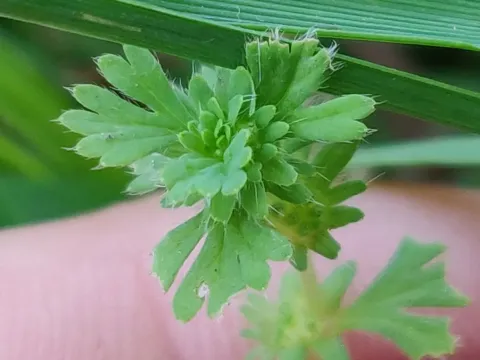
Parsley-piert
Aphanes microcarpa
Aphanes microcarpa, commonly known as parsley-piert, belongs to the Rosaceae family. It is a diminutive annual herb that often establishes itself as a weed in agricultural landscapes, particularly in arable fields.
What the section contains
Parsley-piert
The plant thrives in well-drained, sandy to loamy soils with a neutral or slightly acidic pH. It shows a preference for open, disturbed habitats where there is minimal competition from taller, more aggressive vegetation in the early spring.
Environmental requirements include a temperate climate with reliable moisture during the seedling stage. While it is quite adaptable, prolonged drought conditions during its reproductive phase can significantly impact its density and seed production capacity.
Morphologically, the plant features low-growing stems with deeply lobed leaves and inconspicuous, green flowers. Its root system is relatively shallow, designed for quick uptake of moisture from the top layer of the soil after spring rains.
In a farming context, Aphanes microcarpa is managed rather than cultivated. Its presence often indicates a need to improve soil structure or revise herbicide application programs to maintain the desired density of the primary crop species.
The primary concern regarding this species is its aggressive seed production. A single plant can produce a substantial number of seeds, which can persist in the soil seed bank for several years, making eradication difficult once established.
Disease pressure on Aphanes microcarpa is generally low, although it may occasionally host pathogens common to other members of the Rosaceae family. These diseases do not typically act as a biological control agent for the weed population.
Common insect pests include small beetles and aphids, which feed on the foliage. However, these pests rarely cause significant mortality in populations and are insufficient to serve as a reliable control method in integrated pest management.
Effective management strategies center on early mechanical intervention. Timely harrowing or hoeing during the vegetative stage is critical to prevent the plant from reaching the flowering and seed-setting stages in the field.
Chemical control involving broad-spectrum herbicides is feasible, but timing is essential. Application should target young plants to ensure maximum efficacy and to prevent the development of resistance against specific chemical classes over time.