
Pannonian whitebeam
Sorbus pannonica
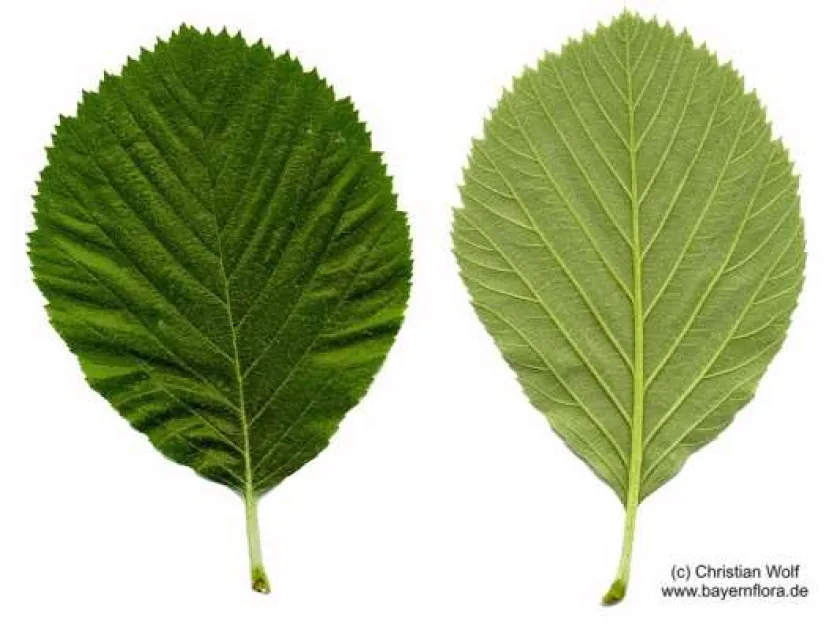
Description
Growing requirements
Pannonian whitebeam (Sorbus pannonica) is a unique botanical species belonging to the Rosaceae family. Native to the Pannonian Basin, it has evolved to thrive in specific limestone habitats, making it a robust and ecologically valuable tree.
The plant demonstrates a strong preference for sunny locations and well-drained soils. Its botanical features, such as the pubescent underside of its leaves, are adaptations designed to manage transpiration efficiently in warm and dry environments.
Optimal growth is achieved on alkaline or calcareous soils, which mimic the tree's natural habitat. It does not tolerate waterlogged conditions, so choosing a site with excellent drainage or improving the soil structure is essential for long-term health.
Regarding climate, Sorbus pannonica is well-adapted to continental weather patterns with hot summers and cold winters. It is highly valued for its tolerance to environmental stresses, often used in urban forestry and landscape restoration projects.
Beyond its ecological value, the tree serves as an ornamental specimen thanks to its elegant foliage and seasonal color changes. It is also an important genetic resource for breeding programs aiming to develop more climate-resilient fruit-bearing tree varieties.
Main diseases and pests
The species is primarily susceptible to fungal diseases such as powdery mildew and fire blight, especially in stagnant or humid conditions. Proper pruning and maintaining good airflow through the canopy are vital practices to reduce disease pressure.
Pests that commonly affect this tree include various aphids and leaf miners, which may cause aesthetic damage and weaken the tree. Integrated pest management, focusing on monitoring and biological controls, is highly recommended to ensure tree vitality.