
Common pear
Pyrus communis L. subsp. pyraster (L.) Ehrh.
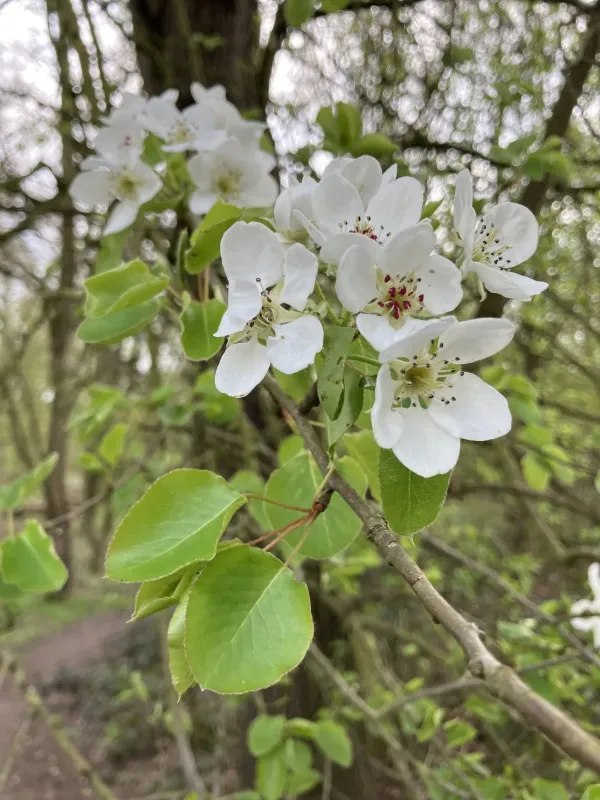
Description
Sowing dates
The common pear (Pyrus communis L. subsp. pyraster) is primarily propagated through vegetative methods, specifically grafting scions onto rootstocks to ensure consistency in fruit quality.
Planting is typically scheduled for early spring, before the buds break, or in late autumn, allowing the roots to establish before the ground freezes.
Commercial orchard layouts depend on the vigor of the rootstock, with spacing varying from 3-4 meters for dwarf varieties to 6-8 meters for vigorous, standard trees.
Seed-based propagation is strictly reserved for research and breeding programs aimed at developing new, hardy rootstocks after a period of stratification.
Proper soil preparation, including the application of organic amendments into the planting hole, is essential for the tree's initial development and long-term health.
Growing requirements
Pears thrive in full sun, requiring exposure to sunlight for several hours a day to maximize photosynthetic efficiency and sugar accumulation in the fruits.
Well-drained, deep loam or chernozem soils with a near-neutral pH provide the optimal environment for the extensive root system of the common pear.
While hardy, the trees are sensitive to standing water, making effective drainage systems a necessity in regions with high precipitation or shallow groundwater levels.
Optimal growth and consistent yields rely on a balanced fertilization program that provides essential nutrients, specifically nitrogen, phosphorus, and potassium, according to soil tests.
Irrigation is vital during dry spells, particularly in the spring and early summer when the trees are establishing new foliage and setting their fruit load.
Yield
The total yield of a pear orchard is influenced by the choice of cultivar, the type of rootstock used, and the level of horticultural management applied to the trees.
Modern dwarfing rootstocks allow for earlier production, with many commercial varieties beginning to bear fruit within 3 to 4 years of planting.
Mature pear trees, when properly pruned and maintained, can produce substantial yields, often exceeding 100 kilograms per tree in intensive orchard systems.
Consistent pruning and thinning of fruit clusters are necessary to manage the biennial bearing habit of many varieties, ensuring a reliable annual harvest.
Integrated pest management and good nutritional practices are the primary factors in maintaining high productivity over the long lifecycle of the orchard.
Main diseases and pests
Pear scab is a prevalent fungal disease that affects both foliage and fruit, causing aesthetic damage and reducing the overall market value of the crop.
Fire blight is perhaps the most devastating disease, caused by bacteria that can kill entire branches or even the whole tree if not controlled immediately.
Monilia, or brown rot, frequently targets the maturing fruit, necessitating the removal of infected material to prevent the spread of spores throughout the canopy.
Various insect pests, such as the codling moth, pear psylla, and aphids, require monitoring and management to protect the tree's vigor and fruit integrity.
- Mites cause significant damage to leaf structures, impeding the tree's ability to produce energy.
- Scale insects attach to the bark, draining the tree's resources and causing branch dieback.
- Leafrollers can severely damage buds and blossoms, leading to a direct reduction in fruit set.
Harvesting
Harvest timing is critical and depends entirely on whether the specific cultivar is categorized as summer, autumn, or winter-ripening.
Summer varieties are harvested at peak ripeness for immediate consumption, while winter varieties require careful picking at the mature, but firm, stage.
Picking should ideally take place in dry weather to minimize the risk of post-harvest decay during storage or transport to the market.
Proper handling during the harvest process prevents bruising, as damaged fruit is highly susceptible to decay and shortens the shelf-life significantly.
Post-harvest storage requires carefully controlled temperatures and humidity levels to preserve the quality of the fruit throughout the winter months.