
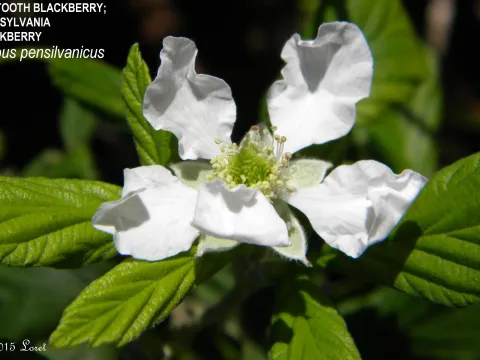
Pennsylvania blackberry
Rubus pensilvanicus
The Pennsylvania blackberry (Rubus pensilvanicus) is a perennial shrub belonging to the Rosaceae family. Native to North America, this species is typically found in meadows, forest edges, and disturbed soils, reflecting its high adaptability.
What the section contains
Pennsylvania blackberry
This crop thrives in well-drained, fertile soils with a pH ranging from slightly acidic to neutral. Ensuring the soil is rich in organic matter is essential for vigorous cane development and high fruit production.
Regarding climate, it is a hardy plant that prefers sunny locations. While it is tolerant of various conditions, it requires full sun exposure to maximize photosynthetic activity and ensure the development of sweet, firm berries.
A crucial part of the agricultural management of this plant is proper pruning. Regular removal of dead or spent canes stimulates the growth of new, productive fruiting wood and prevents the plant from becoming overly congested.
Irrigation management is vital during the growing season. While the plant can tolerate short dry spells once established, consistent soil moisture during the flowering and fruit-setting stages is critical for optimal yield and berry size.
Pennsylvania blackberry is susceptible to various fungal diseases, most notably orange rust and anthracnose. These pathogens can severely compromise the plant's vascular system, leading to stunted growth or cane death.
Pests such as the blackberry leaf miner, spider mites, and aphids can significantly reduce plant vigor. Regular scouting is recommended to detect infestations early before they reach economic injury levels.
Powdery mildew is a common issue in areas with poor airflow. Ensuring sufficient spacing between rows and individual plants is one of the most effective cultural practices for preventing the spread of this disease.
Viral diseases, often transmitted by aphids or infected tools, are serious threats to long-term plantation health. Once infected, plants typically need to be removed and destroyed to prevent spreading to healthy stock.
Integrated pest management (IPM) strategies, including the use of dormant oil sprays and selective fungicides, are recommended for maintaining plant health and ensuring a sustainable and consistent harvest.