
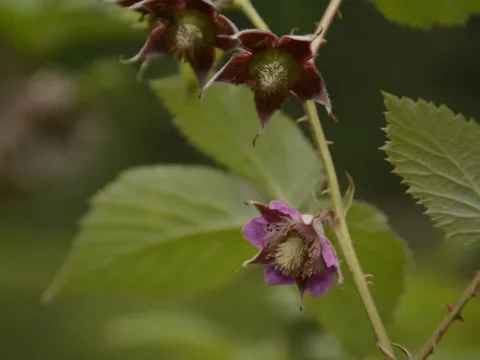
Pedunculate bramble
Rubus pedunculosus
Pedunculate bramble (Rubus pedunculosus) is a perennial shrub species belonging to the Rosaceae family. Known for its distinct botanical traits, this plant is characterized by its specific peduncle structure, which sets it apart from more common commercial raspberries and blackberries.
What the section contains
Pedunculate bramble
Originating from the mountainous regions of Asia, this species has evolved to thrive in cool, temperate environments with consistent moisture. Its cultivation requires specific conditions that mirror its native habitat to ensure optimal growth and development of the fruit-bearing canes.
The crop performs best in fertile, well-drained loamy soils. It is highly sensitive to soil compaction and waterlogging, which can cause root rot. Gardeners and farmers should ensure that planting sites have excellent drainage to maintain healthy root development throughout the growing season.
Cultural practices include the application of balanced organic fertilizers to promote vigorous cane growth. Proper irrigation management is essential during the flowering and fruit-setting stages, as moisture stress can significantly reduce the quality and size of the berries.
Routine pruning is a vital part of the management cycle. By removing old or diseased canes after harvest, growers can improve air circulation and sunlight penetration within the shrub canopy. This practice is essential for maintaining plant vigor and maximizing long-term yields.
Common threats to this species include fungal infections such as cane blight and powdery mildew. These diseases are often exacerbated by poor air circulation and high humidity. Strict adherence to spacing guidelines is recommended to mitigate these risks in commercial plantations.
Insects like aphids and spider mites can cause significant damage to the foliage and developing buds. Implementing an integrated pest management (IPM) strategy, which combines biological controls and targeted interventions, is the most effective way to protect the crop while preserving environmental safety.