
Pyrus pyrifolia
Pyrus pyrifolia (Burm. f.) Nakai
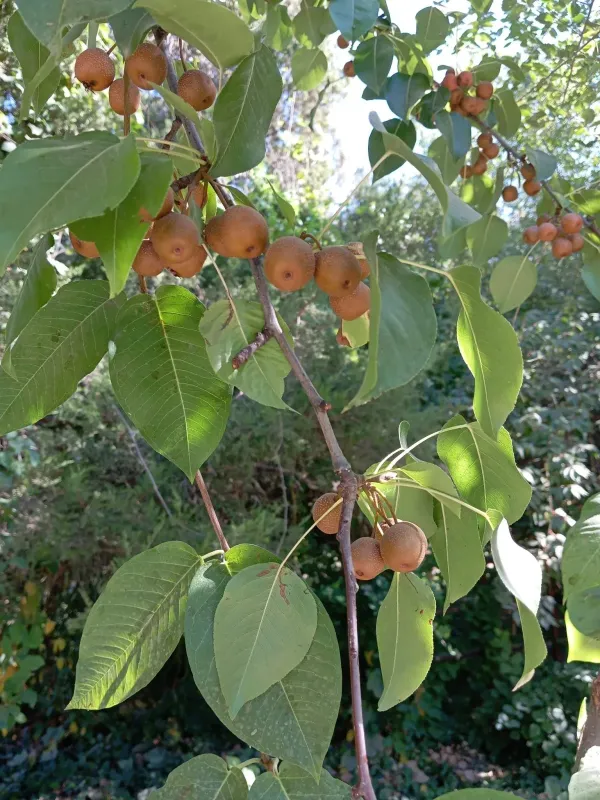
Description
Growing requirements
Pyrus pyrifolia, commonly known as the Asian pear or Nashi pear, is a deciduous tree belonging to the Rosaceae family. It is native to East Asia and is highly prized for its unique, crisp, and juicy fruit.
The tree thrives in well-drained, fertile soil with a slightly acidic to neutral pH level. It is sensitive to waterlogging, so soil aeration and proper drainage systems are essential for healthy root development.
Climate requirements include a temperate environment with sufficient sunlight exposure. While some cultivars are cold-hardy, the tree prefers regions with distinct seasons but without extreme late-spring frost damage.
Cross-pollination is often necessary to achieve optimal yields. Therefore, planting multiple compatible cultivars within the same orchard block is a standard agricultural practice.
General maintenance involves annual dormant pruning to manage the canopy structure, promote air circulation, and ensure that sunlight reaches the inner fruit-bearing branches.
Yield
Yield efficiency is maximized through intensive orchard management practices, including the use of high-quality rootstocks and trellising systems. The tree typically begins to bear fruit within 3–5 years after planting.
Fruits of Pyrus pyrifolia are characterized by their rounded shape, firm texture, and high juice content. Unlike European pears, they do not ripen significantly after harvest and should be picked when mature.
Commercial producers focus on fruit thinning to ensure that the remaining fruits reach an optimal size and sugar content. Overloading a tree can lead to biennial bearing patterns.
Post-harvest management involves careful handling, as the skin of the fruit is susceptible to bruising. Proper storage in temperature-controlled facilities ensures the fruit remains fresh for several months.
Modern production techniques emphasize the selection of high-yielding, disease-resistant clones to meet market demand for high-quality, uniform produce.
Main diseases and pests
The main pathological threats include fungal diseases such as scab, powdery mildew, and monilinia. These pathogens can significantly affect leaf surface area and reduce photosynthetic efficiency.
Fire blight (Erwinia amylovora) is a critical concern for Pyrus pyrifolia orchards. Strict quarantine and sanitation measures are required to prevent the spread of this devastating bacterial disease.
Common insect pests include mites, aphids, and various lepidopteran species that damage fruit skin or foliage. Integrated Pest Management (IPM) is recommended to keep populations below economic injury levels.
Routine monitoring for early signs of infection or infestation is vital. Early detection allows for targeted treatments, reducing the overall reliance on broad-spectrum pesticides.
Healthy soil management and promoting beneficial insect populations contribute significantly to the tree's resilience against common pests and environmental stress factors.