
Ussurian pear
Pyrus ussuriensis Maxim.
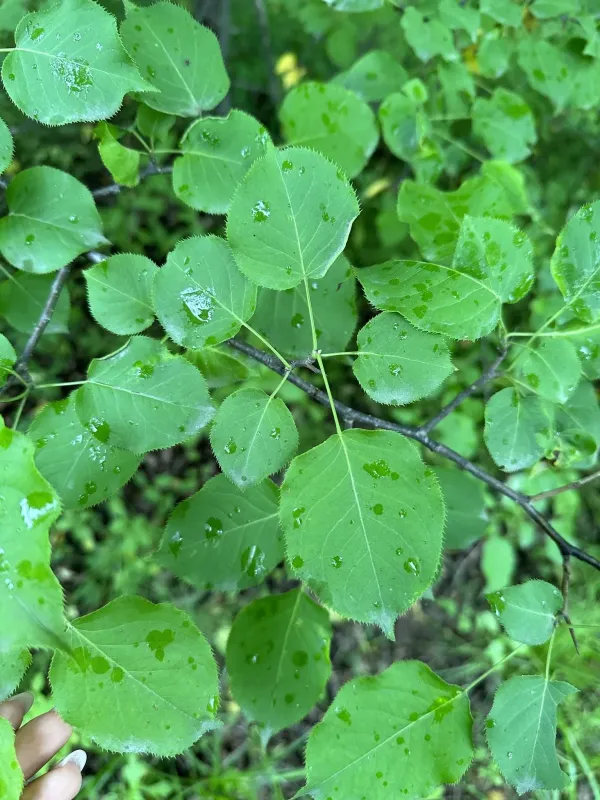
Description
Growing requirements
The Ussurian pear (Pyrus ussuriensis Maxim.) is a deciduous tree species belonging to the Rosaceae family, renowned for its extreme cold tolerance. Native to East Asia, including Northeast China, the Russian Far East, and Korea, it thrives in regions with severe winters that would kill most other fruit species.
Botanically, it forms a robust tree reaching up to 15 meters in height with a dense, rounded crown. Its foliage is thick and dark green, turning vibrant shades of red and purple in autumn, which adds significant aesthetic value to landscape plantings throughout the growing season.
Regarding soil requirements, the species prefers deep, nutrient-rich, and well-drained loam. While it is adaptable to various soil types, it performs best when provided with ample sunlight; limited exposure to light typically results in stunted growth and a significant reduction in fruit yield.
Standard horticultural practice involves annual pruning to ensure a well-structured canopy and adequate air circulation. Maintenance should also include mulching the root zone to preserve soil moisture, especially during the initial years after planting to support the establishment of the deep taproot system.
Economically, the Ussurian pear is most valuable as a rootstock for commercial pear cultivars due to its compatibility and superior winter hardiness. Its own fruits are small, hard, and astringent, making them suitable primarily for processing into jams, jellies, or dried snacks after frost treatment.
Main diseases and pests
The main pathological threats include pear scab and fire blight, which can compromise tree health in humid climates. To mitigate these risks, it is essential to select planting sites with good air movement and to remove any dead or infected wood promptly during the dormant season.
Common pests include the pear leaf blister mite and various species of aphids that feed on young, succulent foliage. Integrated pest management, focusing on early detection and the use of targeted treatments, is effective in keeping the trees healthy and productive throughout their long lifespan.