
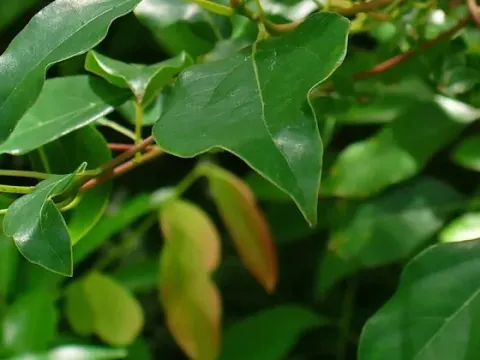
Cryptocarya verrucosa
Cryptocarya verrucosa
Cryptocarya verrucosa is a distinctive tree species belonging to the Lauraceae family. Known for its botanical characteristics, it thrives in tropical environments, necessitating specific climatic conditions to ensure healthy growth and development.
What the section contains
Cryptocarya verrucosa
The ideal climate for this culture is characterized by consistent warmth and high humidity. It is intolerant to frost and cold snaps, which means commercial cultivation is strictly limited to tropical and subtropical regions where temperatures remain stable throughout the year.
Soil requirements are focused on fertility and drainage. The plant prefers deep, well-draining soils rich in organic matter. Water management is crucial; while the plant loves moisture, it cannot withstand waterlogged soil, which often leads to root rot.
Agrotechnical practices involve careful site selection to avoid wind exposure and ensure sufficient light for photosynthesis. Soil management includes regular organic mulching to mimic the forest floor and preserve moisture in the root zone.
Growth rates for Cryptocarya verrucosa are typically slow. Growers must consider this long-term investment when establishing plantations, as it requires patience and consistent maintenance to achieve a productive state.
Fungal diseases remain the most significant threat to the health of this tree species. High humidity, while necessary, can promote the spread of pathogens that target the foliage and vascular system of the plant.
Insect pests, specifically scale insects and mealybugs, are frequent visitors that can weaken the tree by feeding on phloem sap. Severe infestations can result in leaf drop and reduced vigor.
Boring insects represent a specific risk to the trunk and main branches. Their activity can cause structural damage to the wood, which is particularly detrimental if the tree is being cultivated for timber production.
Defoliators also pose a risk to young plants, stripping them of the energy needed for growth. Early intervention with integrated pest management is essential to prevent significant economic losses.
Preventative measures, such as ensuring proper airflow within the canopy and monitoring for early signs of disease, are key components of a successful strategy to protect Cryptocarya verrucosa populations.