
Cryptocarya aschersoniana
Cryptocarya aschersoniana
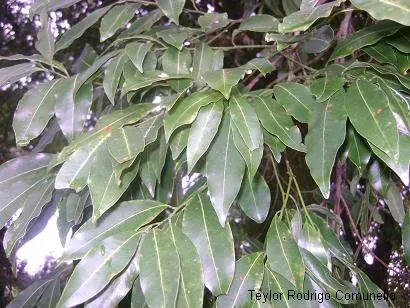
Description
Growing requirements
Cryptocarya aschersoniana is a notable species within the Lauraceae family. This evergreen tree is native to the lush, biodiverse rainforests of South America, where it thrives as part of the dense canopy or understory vegetation.
The cultural requirements for this species demand a tropical environment with high relative humidity and constant, warm temperatures throughout the year. It lacks cold hardiness and must be sheltered from any frost or significant temperature drops.
Soil management is critical for success; the substrate must be highly fertile, well-draining, and rich in organic matter. A soil pH level that remains slightly acidic to neutral supports optimal nutrient uptake for the root system.
Regarding agrotechnical practices, providing diffused light is essential, as the species is adapted to forest conditions. Direct, high-intensity sunlight can damage leaves, necessitating shading measures during the early stages of growth.
In terms of хозяйственное (economic) use, the plant is primarily valued for its botanical diversity. Research into its chemical constituents, typical of the laurel family, may offer insights into essential oil production or phytochemical applications in the future.
Main diseases and pests
Root rot and fungal infections pose the most significant threat to Cryptocarya aschersoniana, especially when soil moisture levels are poorly managed. Adequate drainage systems must be maintained at all times to prevent saturation.
Pest pressures often involve spider mites and scale insects, which can thrive in enclosed or stagnant environments. Implementing a routine monitoring schedule is vital for early detection and prevention of large-scale infestations.
Environmental stress, such as air quality fluctuations or lack of proper ventilation, can weaken the plant's natural defense mechanisms. Providing a stable microclimate is the best form of defense against such biotic and abiotic stressors.
Nutrient deficiency, particularly iron or magnesium, can result in leaf chlorosis. Balanced fertilizer applications should be scheduled periodically to maintain the plant's health and vigor throughout the growing season.
To ensure healthy growth, the use of sterile growing media is recommended to prevent soil-borne pathogens from entering the root zone. Regular sanitization of the growing area significantly improves long-term survival rates.