
Cinnamomum subavenium
Cinnamomum subavenium
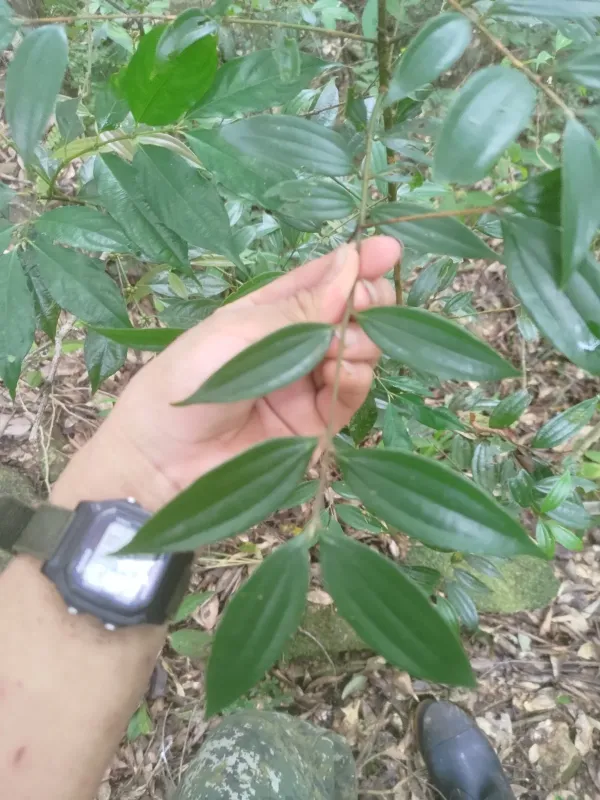
Description
Growing requirements
Cinnamomum subavenium is a member of the Lauraceae family. This evergreen tree is valued for its aromatic properties and its resilient, dense foliage that provides significant biological mass.
The species originates from the tropical zones of Southeast Asia. It thrives in humid environments and is highly sensitive to frost, requiring stable, warm temperatures year-round.
The soil profile for this crop should be deep, fertile, and exceptionally well-drained. Sandy-loam soils with high organic content are ideal for promoting healthy root development.
While the tree can handle various light conditions, it prefers dappled sunlight or light shade. Young plants must be shielded from harsh, direct sunlight to prevent leaf scorching.
Agricultural management requires careful irrigation planning to maintain moisture without causing waterlogging, which is a major risk factor for this particular species.
Yield
The primary economic use involves the harvesting of bark and leaves, which contain unique essential oils utilized in the pharmaceutical and fragrance industries.
Production cycles are long-term, with commercial harvesting beginning once the trees have established a robust structural base, usually after several years of growth.
Yield output is directly influenced by nutritional management. Fertilization protocols focusing on potassium and magnesium levels are essential for optimizing oil synthesis.
Manual harvesting techniques are employed to ensure the longevity of the trees. Sustainable harvesting practices involve periodic pruning rather than full tree removal.
Post-harvest processing involves controlled drying environments to preserve the volatile components of the raw plant material before final extraction.
Main diseases and pests
Root rot and fungal infections pose the greatest threat to Cinnamomum subavenium, especially in regions with poorly managed soil drainage or high rainfall.
Pests such as scale insects and mealybugs frequently target the underside of the leaves, weakening the plant and facilitating the growth of sooty mold.
An integrated pest management (IPM) approach is recommended, utilizing both mechanical removal of infected parts and biological control agents.
Strict sanitation protocols must be enforced during the pruning process to prevent the transmission of vascular diseases through contaminated tools.
Early detection through frequent field scouting is crucial for controlling potential outbreaks before they impact the economic viability of the entire plantation.