
Cryptocarya wightiana
Cryptocarya wightiana
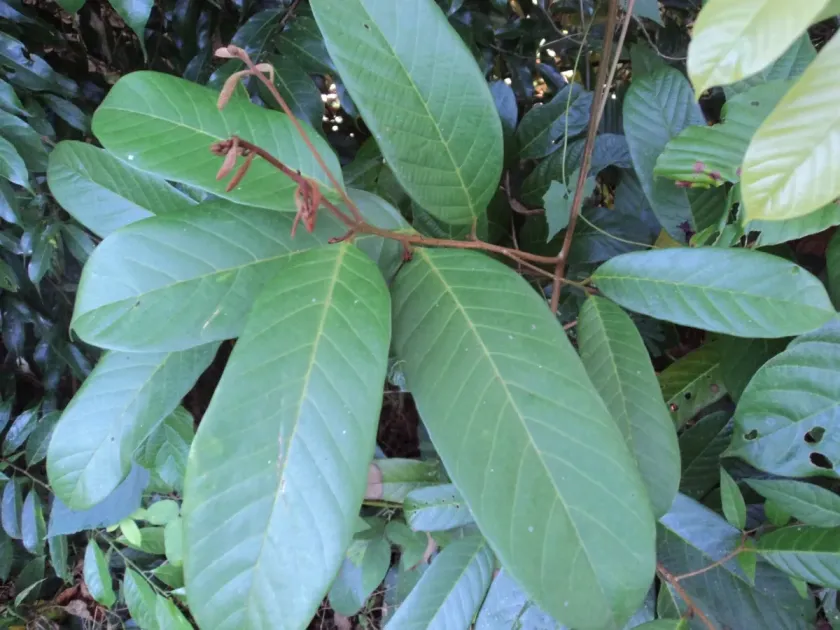
Description
Growing requirements
Cryptocarya wightiana is an evergreen tree belonging to the Lauraceae family. It is a significant component of tropical and subtropical forest ecosystems, characterized by its dense canopy and robust growth habit.
Native to the mountainous regions of India, particularly the Western Ghats, this species thrives in humid environments. It is adapted to high rainfall patterns and requires stable tropical temperatures to maintain consistent development throughout the year.
The tree prefers deep, fertile, and well-drained soils. Proper soil structure is critical for Cryptocarya wightiana, as stagnant water in the rhizosphere can lead to root degradation and stunted growth in young saplings.
Botanically, the plant is known for its leathery, aromatic leaves and drupaceous fruits. It displays a moderate growth rate, benefiting from partial shade during its juvenile phase before requiring full sunlight as it matures into the upper canopy.
Agricultural use of this species focuses on its role in agroforestry systems and soil conservation efforts. Furthermore, the presence of specific phytochemicals makes it a subject of interest for pharmaceutical research and sustainable timber production.
Main diseases and pests
The primary threats to Cryptocarya wightiana involve fungal pathogens that flourish in high-humidity climates. Root rot is a major concern, often triggered by poor soil drainage and lack of adequate air circulation around the trunk.
Insect pests, including various defoliators, can pose a risk to young plants in nursery settings. Maintaining a healthy balance of local biodiversity is essential to control these pest populations without relying on heavy chemical interventions.
Sanitation practices are vital in managing the health of the trees. Removing dead or infected foliage and twigs prevents the buildup of inoculum that could spread disease to healthy parts of the tree or neighboring specimens.
Strategic planting spacing is recommended to optimize light penetration and airflow. These measures significantly reduce the microclimatic conditions favored by harmful fungi and moisture-loving pests in plantation setups.
Ongoing monitoring of the bark and root collars is necessary to identify early signs of stress. Integrated pest management (IPM) strategies, which prioritize prevention, are the most effective way to protect this crop while preserving environmental sustainability.