
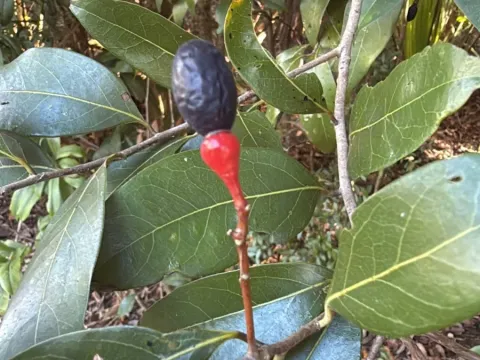
Damburneya
Damburneya
Damburneya is a genus of evergreen plants within the Lauraceae family. These plants are native to tropical ecosystems, where they form a significant part of the forest structure and offer unique economic potential.
What the section contains


Damburneya
The cultivation of Damburneya requires tropical or subtropical climates with high atmospheric humidity. They thrive in environments where temperature fluctuations are minimal, ensuring continuous vegetative growth throughout the year.
Regarding soil requirements, these plants prefer well-drained, nutrient-rich soils. They do not tolerate waterlogged conditions, which lead to rapid root decay and loss of vigor. Soil pH should ideally range from slightly acidic to neutral.
Agricultural practices for Damburneya involve careful light management, as young specimens often require shade to prevent leaf scorching. As they mature, they become more resilient to sunlight but still prefer dappled light.
The economic value of Damburneya lies in its wood production and potential medicinal extracts. The timber is valued for its durability and aesthetic appeal in specialty woodwork and furniture industries.
The primary health threats to Damburneya include fungal pathogens like Phytophthora, which flourish in wet soil conditions. These infections often start at the root collar and spread rapidly.
Pests that frequently infest these plants include scale insects and various sap-sucking mites. These pests reduce the overall plant health and decrease the quality of the foliage.
Integrated pest management strategies are crucial for maintaining healthy crops. This includes using biological controls and monitoring for early signs of infestation to prevent large-scale outbreaks.
Proper aeration within the planting rows is essential to manage moisture levels effectively. This practice reduces the humidity around the leaves, making it harder for fungal spores to colonize.
Sanitation is a key component of Damburneya management. Removing dead or infected branches prevents the accumulation of inoculum in the orchard, ensuring sustainable productivity for many years.