
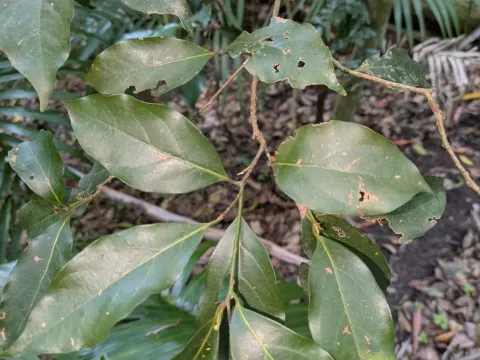
Endiandra
Endiandra
The Endiandra genus belongs to the Lauraceae family, encompassing a group of evergreen trees native to tropical and subtropical regions. These trees are primarily found in Australia, Southeast Asia, and various Pacific islands.
What the section contains

Endiandra
Successful cultivation requires a warm and stable climate, as these trees are highly susceptible to frost. They thrive in environments that mimic the humid conditions of their native rainforest habitats.
Soil requirements focus on high organic matter content and excellent drainage capacity. Because they originate in forest settings, these trees prefer soils that are rich in nutrients and slightly acidic or neutral in pH.
Water management is a crucial aspect of Endiandra agrotechnics. While they require consistent moisture to thrive, they cannot tolerate waterlogged soil, which often leads to root rot and other physiological stressors.
Light exposure needs to be balanced; while they are generally forest-dwelling trees, proper spacing in plantations ensures that every tree receives adequate light for photosynthesis without being scorched by intense sun.
In forestry and agriculture, Endiandra is often managed for its timber, which is valued for its texture and durability. Harvesting cycles are determined based on the age of the trees and regional forestry sustainability regulations.
In addition to timber, research into the biochemical compounds of the fruit and bark has highlighted their potential for specialized uses in the essential oil industry. Harvesting the fruit is typically manual, timed to match the fruit's peak maturity.
Fungal diseases are the primary threat, especially in areas where ventilation is poor or soil moisture levels are mismanaged. Implementing proper planting distances is key to ensuring natural air circulation and minimizing fungal outbreaks.
Pest management involves monitoring for leaf-feeding insects, which are common in tropical plantation settings. Integrated pest management (IPM) strategies, which prioritize biological control, are recommended to maintain plant health and environmental safety.