
Cryptocarya latifolia
Cryptocarya latifolia
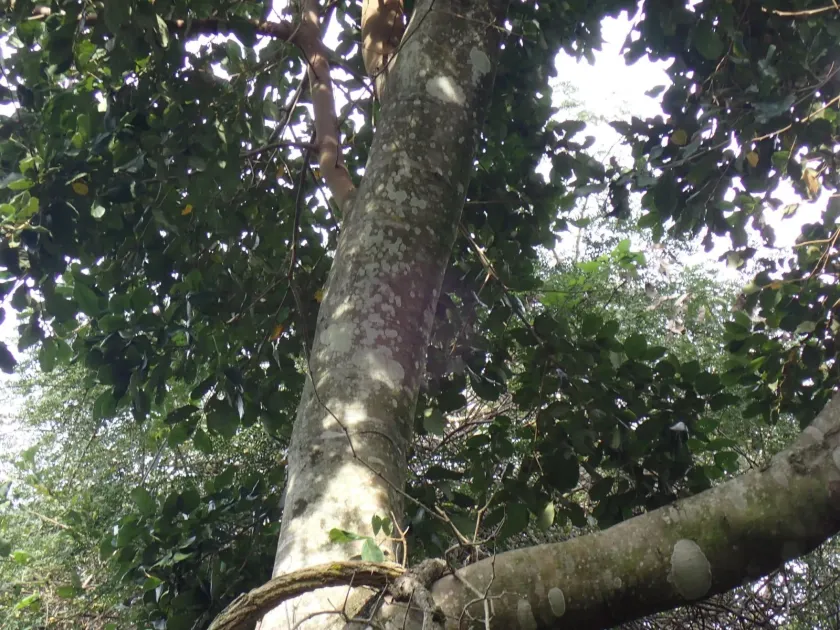
Description
Sowing dates
The propagation of Cryptocarya latifolia is primarily achieved through seeds, which must be sown fresh due to their limited viability. The seeds should be planted in well-draining soil to ensure successful germination and to prevent premature rotting of the embryo.
Sowing depth is typically kept shallow, around 2 to 3 centimeters, to facilitate the emergence of the sprout. Using a specialized nursery substrate enriched with organic matter provides the necessary nutrients for the early stages of development.
It is crucial to maintain high humidity levels during the germination period, preferably in a controlled nursery environment. Shading the seedling beds protects the young plants from direct, intense sunlight, which can cause significant stress in the initial weeks.
Seed treatment with growth stimulators can be beneficial to ensure uniform and rapid germination. Once the seedlings reach a height of approximately 40 centimeters, they are typically ready for transplanting into larger containers or field plots.
Strategic timing of sowing, aligned with the post-rainy season, ensures that the young plants can establish a robust root system before encountering drier weather conditions.
Growing requirements
As a member of the Lauraceae family, Cryptocarya latifolia thrives in subtropical and tropical environments with high moisture levels. It requires deep, fertile, and well-drained soils, ideally with a slightly acidic to neutral pH profile.
The tree prefers a sheltered location protected from strong, desiccating winds, which can damage the large leaves. It is relatively shade-tolerant during its juvenile stages but requires filtered sunlight as it matures to achieve optimal biomass production.
Consistently moist soil is essential, though it must be balanced with good drainage to prevent the development of root-borne pathogens. In agroforestry settings, mulch is recommended to retain soil moisture and improve the overall structure of the root zone.
Regular fertilization with organic compost helps sustain high productivity levels in the tree. Nutrient management should focus on maintaining a steady supply of micronutrients to prevent deficiencies that could hinder growth.
Creating a stable microclimate is key; regular irrigation combined with natural windbreaks facilitates the growth of straight, high-quality timber and prevents premature foliage senescence.
Yield
The primary economic output of Cryptocarya latifolia is its valuable wood, which is characterized by its durability and attractive grain. This makes it a sought-after material for specialized carpentry and high-end furniture manufacturing.
Yield estimation is based on the annual increment of timber volume per hectare. Sustainable management practices, such as selective pruning, are used to maximize the quality of the harvested wood by reducing knots and promoting growth.
Beyond timber, the plant offers potential in the pharmaceutical industry due to the presence of bioactive compounds in its bark and leaves. Harvesting of these non-timber components must be strictly managed to ensure the longevity of the individual tree.
Success in cultivating this crop depends on the balance between early-stage growth development and the long-term maturation process required for high-grade wood harvesting.
Strategic planning and long-term investment are essential, as this tree species represents a long-term agricultural commitment that yields premium products upon maturity.
Main diseases and pests
The most significant threat to Cryptocarya latifolia is the prevalence of root rot caused by Phytophthora species, especially in poorly drained or waterlogged soils. Mitigation involves site preparation and careful soil management.
Insect pests, such as leaf-eating beetles and scale insects, can negatively impact the photosynthetic capacity of the tree. Integrated pest management strategies, focusing on biological controls, are preferred to maintain the health of the ecosystem.
Wood-boring insects present a risk to mature stands, requiring regular inspections and early intervention. Sanitation felling of infected parts is necessary to prevent the spread of pests throughout the plantation.
Chlorosis, often resulting from an improper nutrient balance or suboptimal pH, can predispose the trees to further complications. Soil testing is a vital preventive measure to identify nutrient imbalances early.
- Root rot (Phytophthora spp.)
- Leaf-feeding Coleoptera
- Scale insects (Coccoidea)
- Wood-boring beetles (Scolytinae)
- Nutrient-related chlorosis