
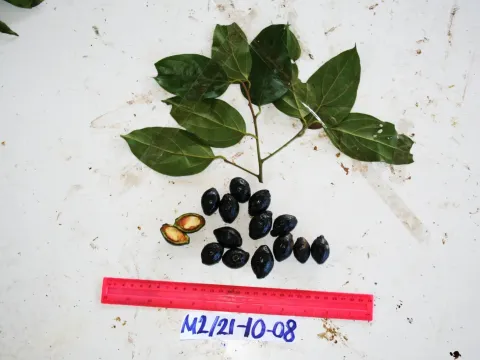
Cryptocarya massoy
Cryptocarya massoy
Propagation of Cryptocarya massoy primarily relies on seeds, which must be sown shortly after harvest due to their relatively short viability period. Using a well-draining, nutrient-rich substrate is essential for successful germination.
What the section contains
Cryptocarya massoy
Maintaining high humidity and stable temperatures between 25 and 28 degrees Celsius is critical during the initial growth phase. Seedbeds must be kept moist but free from waterlogging to prevent fungal contamination.
In nursery settings, seedlings require intensive care and protection from intense direct sunlight. Once the young trees reach a height of approximately 40 to 50 centimeters, they are considered sturdy enough for transplantation.
As a slow-growing species, Cryptocarya massoy demands patience from cultivators. The development of a robust root system is the primary goal in the early stages, ensuring the plant can survive environmental stressors.
Optimal planting in the field should coincide with the beginning of the rainy season. This timing allows the root systems to establish themselves in the soil before the onset of any potential dry periods.
Cryptocarya massoy, a member of the Lauraceae family, is a tropical evergreen tree. It is native to the lush environments of New Guinea and Indonesia, thriving in equatorial conditions.
The tree requires significant annual rainfall and high atmospheric humidity to maintain its growth cycles. It naturally inhabits fertile, well-draining forest soils that are rich in organic matter and humus.
While mature trees can tolerate more light, seedlings require shade to mimic the canopy environment of their native forests. Excessive exposure to direct sunlight can stress the plants and hinder their development.
Temperature stability is paramount for this species. It is highly sensitive to cold; even minor drops in temperature below 15 degrees Celsius can lead to physiological distress and reduced metabolic activity.
Soil aeration is vital for the health of the root system. Compacted or poorly drained soils should be avoided, as these conditions significantly increase the susceptibility to root rot and other pathogens.
The primary commercial product is the aromatic bark, which is highly valued for the extraction of Massoia essential oil. The yield is determined by the size and maturity of the tree, requiring careful management.
Sustainable harvesting is essential, as stripping too much bark can cause the tree to perish. Modern techniques focus on partial harvesting to ensure that trees can recover and continue producing oil over the long term.
The bark contains natural lactones, specifically massoia lactone, which provides its signature coconut-like fragrance. The chemical concentration of these compounds depends on the maturity of the bark harvested.
Efficiency in production relies on the quality of the raw material and the distillation processes employed. Processing plants must be equipped to handle the delicate nature of the essential oils to ensure high product purity.
Overall productivity is measured by the quality and weight of the dry bark per hectare, which requires regular inventory and monitoring of tree growth rates across the plantation.
Fungal pathogens represent the most significant threat to Cryptocarya massoy. These organisms thrive in the high-humidity environments where the tree is typically grown and can cause severe root or trunk decay.
Insect pests, particularly wood-boring beetles, can damage the bark and underlying cambium. This infestation not only affects the growth of the tree but also degrades the quality of the aromatic bark.
Improper bark harvesting practices create open wounds that serve as entry points for pathogens and pests. These sites must be treated or allowed to heal in a controlled manner to prevent systemic disease.
In monoculture plantations, the spread of disease can occur rapidly. Maintaining biodiversity and ensuring proper spacing between trees are effective methods to mitigate these risks and promote tree health.
Regular phytosanitary monitoring is necessary to identify signs of stress or infestation early. Prompt action, such as removing affected sections, can prevent the loss of entire stands of the crop.
The harvest involves carefully stripping strips of bark from the trunks of mature trees. It is critical to leave vertical strips of intact bark to maintain the tree's nutrient transport system and facilitate recovery.
Timing the harvest is crucial to ensure maximum essential oil content. Harvesting is typically conducted when the tree's metabolic activity is optimized for volatile compound accumulation within the bark.
After stripping, the bark must be dried in the shade. Direct sunlight can degrade the sensitive aromatic compounds, so proper ventilation and protection from UV rays are essential during the drying stage.
Dried bark should be sorted based on quality and stored in a cool, dry, and well-ventilated area. Precautions must be taken to ensure the material remains free from mold and contaminants until it is processed.
Sustainable harvest management requires keeping detailed records of which trees have been harvested and when. This allows for a rotational harvesting system that protects the long-term viability of the crop.