
Endiandra cowleyana
Endiandra cowleyana
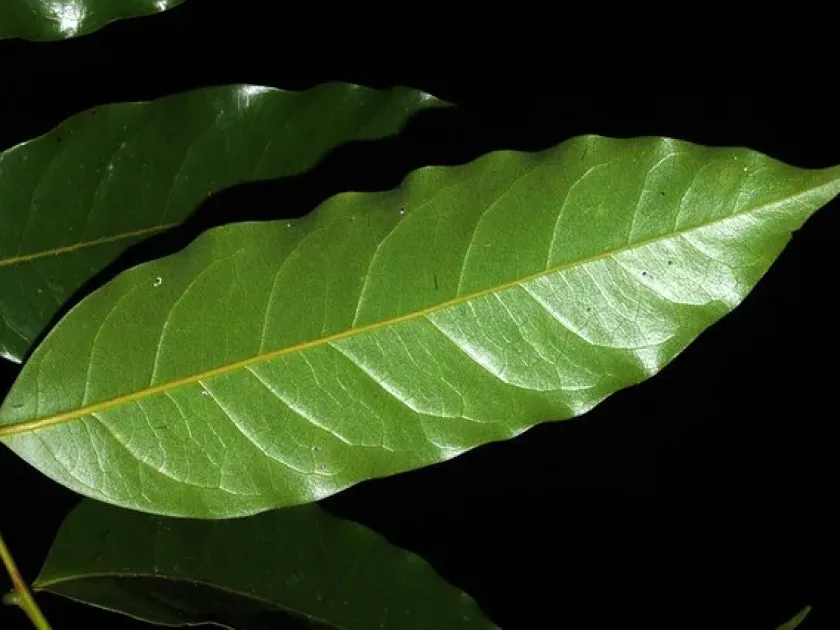
Description
Sowing dates
Propagation of Endiandra cowleyana in its natural habitat occurs primarily through seeds. Sowing requires strictly controlled humidity and temperature conditions that mimic a tropical rainforest environment.
Seeds of this species exhibit rapid loss of viability after maturity, therefore immediate planting after harvesting is highly recommended. Pre-treatment with growth stimulants may improve germination success rates.
In nursery environments, sowing is performed in a loose, nutrient-rich substrate containing organic matter. The depth of sowing should not exceed 1.5 times the seed diameter to ensure proper oxygen diffusion.
The optimal temperature range for seed germination is between +24 and +28 degrees Celsius. Significant temperature fluctuations can severely inhibit the development of the primary root system in young seedlings.
Once seedlings reach a height of 30–40 centimeters, they are typically transplanted into larger containers. A gradual acclimatization process over several weeks is essential for the survival of young trees.
Growing requirements
Endiandra cowleyana belongs to the Lauraceae family and is endemic to the tropical rainforests of Queensland, Australia. The culture imposes strict requirements for high atmospheric humidity.
Successful growth depends on well-drained soils rich in organic matter. Waterlogging is a critical limiting factor, often leading to the development of root rots and the eventual loss of the plant specimen.
The species prefers semi-shaded conditions during its juvenile stage, a factor that must be considered when designing plantation layouts. Mature trees can tolerate more sunlight if the moisture balance is maintained.
Optimal growing conditions involve mean annual temperatures above +20 degrees Celsius with no risk of frost. Even brief exposure to sub-zero temperatures can cause irreversible damage to the tree tissues.
Agronomic management includes applying mulch layers to preserve soil structure and manage weed competition around young trees. Regular fertilization with balanced nutrient solutions promotes vigorous vegetative growth.
Harvesting
The commercial use of Endiandra cowleyana is largely based on the quality of its timber, which is highly valued in local woodworking industries. Harvesting operations are conducted under strict regional ecological guidelines.
Fruit collection, containing the seeds, is carried out manually after full ripening. It is crucial to separate the seeds from the fleshy pulp promptly to prevent mold growth and maintain seed viability for future propagation.
In forestry plantations, trees require several decades to reach harvestable size. The logging process requires skilled personnel to ensure the protection of the surrounding vegetation and younger trees.
The timber of this species is noted for its dense texture and resistance to various environmental stresses. It is widely utilized in the production of high-end furniture, fine woodworking, and unique interior design elements.
Beyond timber production, the species plays a vital role in ecological restoration efforts. Steady seed production is essential for conservation programs aimed at maintaining biodiversity in its native tropical range.