
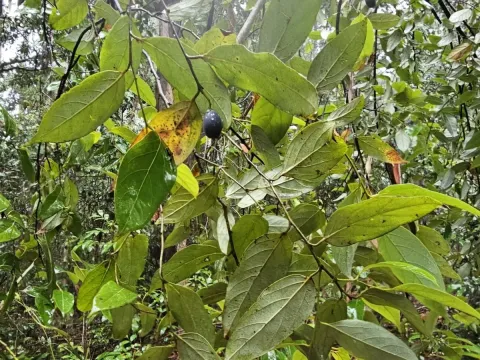
Cryptocarya rigida
Cryptocarya rigida
Cryptocarya rigida is a robust evergreen tree species belonging to the Lauraceae family. It is native to tropical rainforest regions, where it serves as a key ecological component in maintaining forest structure and soil stability.
What the section contains
Cryptocarya rigida
The botanical characteristics of this species include thick, coriaceous leaves designed to withstand humid environments. It typically grows as an understory tree, adapting well to filtered light conditions common in dense forest environments.
For successful cultivation, the plant requires nutrient-rich, well-drained soil with an acidic to neutral pH level. Soil structure is essential, as the species is highly sensitive to root asphyxiation caused by waterlogging.
Climate requirements focus on high humidity and steady temperatures throughout the year. As a strictly tropical species, it cannot withstand freezing temperatures, which limits its outdoor cultivation to frost-free climatic zones.
The economic and agricultural utility of Cryptocarya rigida lies in its contribution to agroforestry, providing shade for companion crops and helping to enrich the soil through leaf litter decomposition.
The primary threat to Cryptocarya rigida is root rot caused by various soil-borne pathogens. Maintaining proper drainage and avoiding excessive irrigation is crucial for the health of the tree throughout its life cycle.
Pests, such as scale insects and aphids, can cause significant damage to the foliage if left uncontrolled. Regular monitoring and the application of organic pest control methods help mitigate these impacts.
Competition from invasive weeds during the establishment phase is a significant obstacle. Mulching and manual weeding are recommended practices to ensure the tree receives sufficient nutrients and light.
Extreme weather events, such as prolonged droughts or intense heatwaves, can stress the plant, leading to leaf drop. Supplemental irrigation is vital in areas with seasonal water shortages.
Mechanical damage to the trunk or branches can facilitate the entry of wood-decaying fungi. Proper pruning and careful handling during maintenance help preserve the structural integrity of the specimen.