
Cinnamomum subtetrapterum
Cinnamomum subtetrapterum
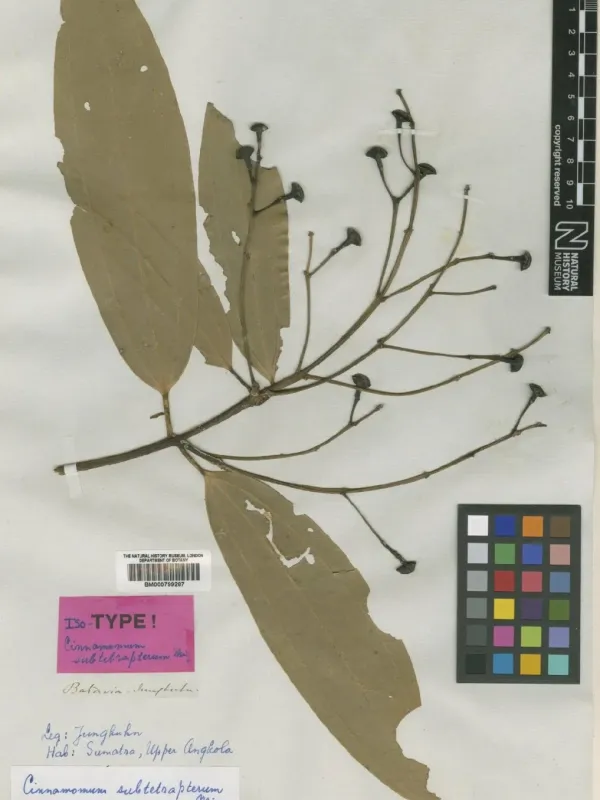
Description
Growing requirements
Cinnamomum subtetrapterum is a member of the Lauraceae family. It is a perennial tropical tree native to Southeast Asia, known for its distinct botanical structure and aromatic properties.
The plant requires a warm tropical climate without frost to survive. It flourishes in regions with consistent high humidity and annual rainfall, which are essential for the production of aromatic secondary metabolites.
Soil requirements focus on fertility and drainage. The ideal substrate is a nutrient-rich, well-draining loam that prevents waterlogging, which is a major factor in root decay and plant mortality.
Proper light management is crucial for young trees, as excessive direct sunlight can damage delicate foliage. Shade-grown practices are often employed in the early stages of cultivation to ensure healthy development.
The economic value of this crop lies in its bark and leaves, which contain aromatic oils used in the flavor, fragrance, and pharmaceutical industries, making it a niche but important agricultural resource.
Main diseases and pests
Fungal diseases are the primary threat to this species, particularly those induced by humid tropical conditions. Anthracnose and various leaf spots are frequent issues that require careful management.
Insect pests, including various aphids and scale insects, often infest the branches and leaves. These pests reduce the vigor of the trees and can lead to the transmission of secondary viral infections.
Root rot caused by Phytophthora species is a major concern in areas where drainage is insufficient. It is often fatal if not detected in the early stages of infection.
Preventive measures include implementing proper spacing between trees to allow for air circulation and regular field sanitation to remove infected plant matter.
Integrated Pest Management (IPM) strategies are recommended to maintain healthy tree growth while minimizing the use of chemicals that could affect the quality of the essential oils.