
East African camphorwood
Ocotea usambarensis
Description
Growing requirements
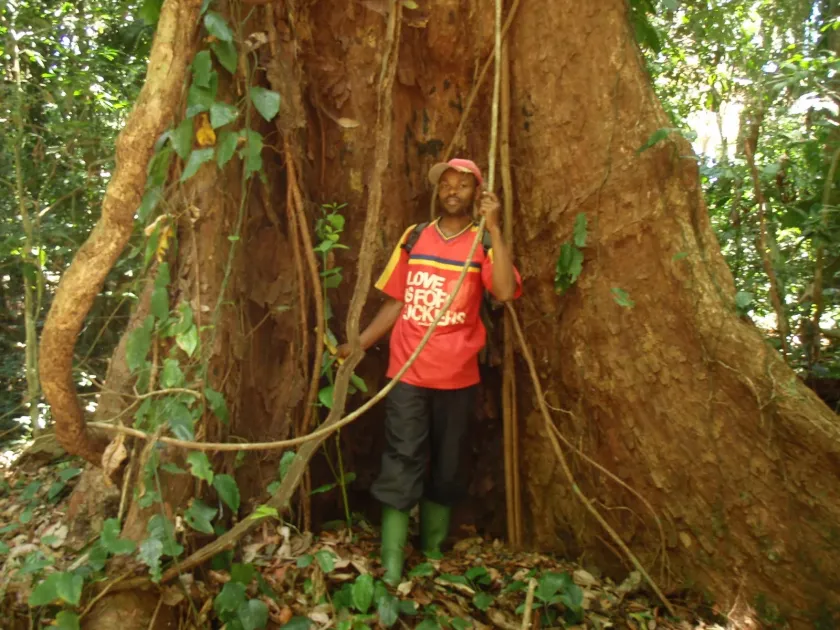
East African camphorwood (Ocotea usambarensis) is a prominent member of the Lauraceae family. It is a massive evergreen tree known for its stature and ecological significance in high-altitude tropical forests.
The native distribution of this species spans the mountain ranges of East Africa, including Tanzania, Kenya, and Uganda. It thrives in regions characterized by consistent rainfall and mild, stable temperatures.
Cultivation requires deep, well-draining, and nutrient-rich soils. The species is highly intolerant to waterlogging, necessitating sloped terrains to ensure proper soil drainage.
Silvicultural practices focus on maintaining forest cover, as young trees are highly shade-tolerant. This allows for effective regeneration under the canopy of established forest stands.
The primary economic value of this tree lies in its highly durable, aromatic timber. This wood is extensively used for cabinetry, high-end construction, and joinery due to its natural resistance to decay and termites.
Main diseases and pests
Root rot caused by fungal pathogens represents the most significant threat to the health of the stands, especially in poorly drained soil conditions.
Insect pests, including various bark-boring beetles, can cause localized damage to the trunks, particularly in stressed or mature individual trees.
Anthropogenic pressure and habitat fragmentation have led to a decline in natural populations, necessitating strict forest management protocols.
Leaf blight and fungal infections can occur in dense stands with inadequate ventilation, impacting the photosynthetic capacity of the canopy.
Integrated forest management, including regular health monitoring and selective harvesting, is essential for maintaining the sustainability of this species.