
Endiandra bullata
Endiandra bullata
Description
Growing requirements
Endiandra bullata is a rare species of evergreen tree belonging to the family Lauraceae. This plant is a native endemic to New Zealand, primarily found in the northern parts of the North Island.
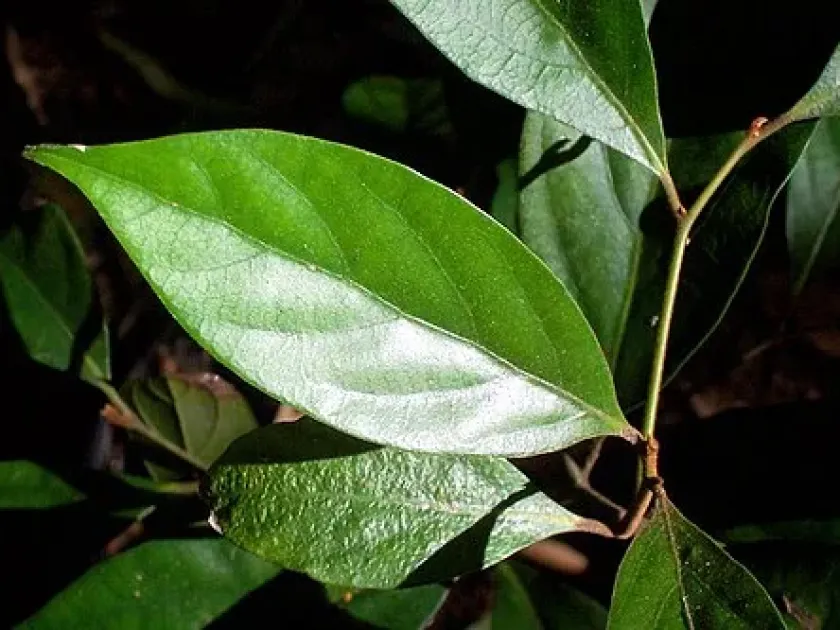
Botanically, it is recognized by its leathery, dark green leaves which exhibit a distinctive "bullate" or puckered texture. This unique foliage makes it a plant of interest for botanical collections and conservation research.
The tree thrives in moist, forest environments with fertile and well-drained soils. In its natural habitat, it typically grows in sheltered conditions, benefiting from the protection provided by the surrounding forest canopy.
Climate requirements for this species are centered on subtropical conditions with high humidity and stable year-round temperatures. It is sensitive to severe frost, which restricts its cultivation range to protected zones.
Agricultural management is currently minimal, as the focus remains on conservation. Nursery propagation requires careful handling of seeds and maintenance of stable soil moisture levels to ensure the slow growth of young specimens.
Main diseases and pests
The primary threats to Endiandra bullata include habitat loss due to deforestation and the encroachment of invasive species that alter the local forest ecosystem.
Like many members of the Lauraceae family, the tree is susceptible to various fungal pathogens that can affect foliage health if humidity levels are not properly managed.
Pests such as scale insects or mealybugs can pose a risk to young saplings, particularly when grown in nurseries or greenhouses with inadequate airflow.
Small and fragmented populations increase the species' vulnerability to environmental stressors and the potential for reduced genetic diversity over time.
Proactive management of the surrounding ecosystem and strict sanitation practices in propagation facilities are essential to minimize the risk of disease and ensure the species' survival.