
Cryptocarya wyliei
Cryptocarya wyliei
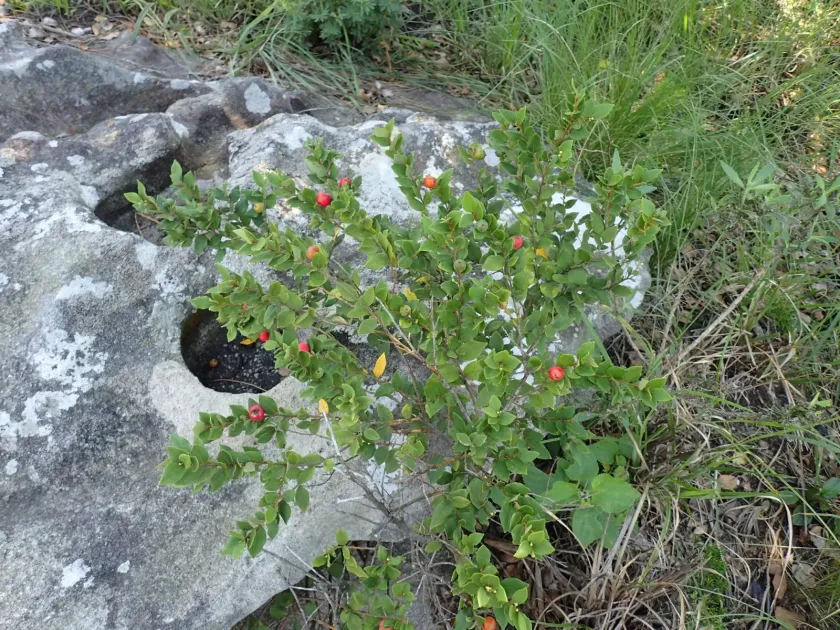
Description
Growing requirements
Cryptocarya wyliei is a notable evergreen tree species belonging to the Lauraceae family. Native to the subtropical forests of South Africa, this plant has adapted to humid environments, forming a significant part of the canopy layer in its natural habitat.
The cultivation of this species requires well-drained, nutrient-rich soil that mimics the forest floor. Ideally, the soil should be slightly acidic to neutral in pH, with high levels of organic matter to support the tree's vigorous root system development.
Environmental conditions are crucial, as Cryptocarya wyliei thrives in regions with consistent temperatures and high atmospheric humidity. It is sensitive to frost and extreme heat, requiring sheltered locations to maintain its physiological balance throughout the year.
Regarding light, young trees require partial shade, as they are shade-tolerant species adapted to the forest understory. As the tree matures, it can tolerate increased light levels, but protection from harsh direct afternoon sunlight is still beneficial to prevent leaf scorching.
Cultural practices include regular moisture maintenance through consistent irrigation. However, the substrate must never remain waterlogged, as this is detrimental to root health and can lead to immediate decline in plant vigor.
Main diseases and pests
The primary threats to Cryptocarya wyliei in cultivation are root-rotting fungi caused by poor drainage. These pathogens can rapidly weaken the tree, especially when the soil is saturated for extended periods, leading to systemic failure.
Pests such as scale insects and mealybugs are known to infest the foliage and tender twigs. These sucking insects deplete the plant's resources and can facilitate the growth of sooty mold on the leaves, further inhibiting photosynthesis.
Environmental stress, particularly prolonged drought, makes the plant susceptible to secondary infections by wood-boring insects. Maintaining optimal tree health through proper nutrition is the best defense against such opportunistic pests.
In humid settings, leaf spot diseases can emerge if air circulation is poor. Ensuring adequate spacing between trees and removing infected plant debris are standard sanitation practices to minimize the impact of these pathogens.
Integrated pest management, including regular monitoring and the use of targeted biological controls, is recommended to ensure the longevity of the tree. Chemical interventions should be used sparingly to maintain the ecological balance.