
Cinnamomum tenuifolium
Cinnamomum tenuifolium
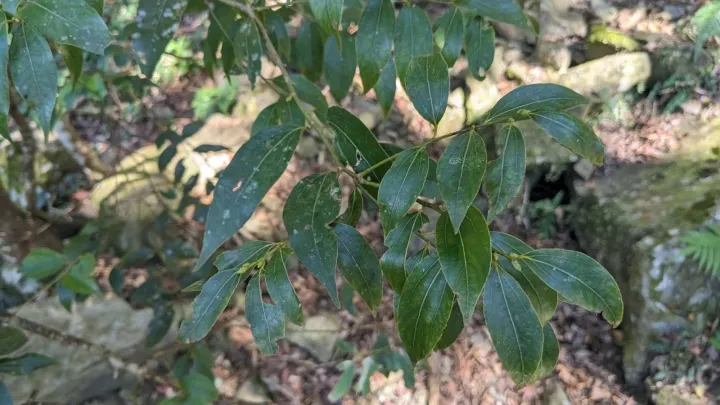
Description
Sowing dates
Propagation of Cinnamomum tenuifolium is mainly carried out by seeds or vegetatively through cuttings. In its natural habitat, seeds are sown immediately after harvesting, as they tend to lose viability quickly.
When cultivating in specialized nurseries, seeds require stratification or treatment with growth stimulants to improve germination rates. Sowing is conducted in a prepared nutrient-rich substrate under protected conditions.
The optimal time for sowing is spring, when stable temperature and lighting conditions are established. It is crucial to maintain constant soil moisture until the seedlings emerge.
Young seedlings require shading, as intense direct sunlight can cause burns to the delicate leaves. Transplanting to a permanent location is carried out after a well-developed root system has formed.
For vegetative propagation, semi-hardwood cuttings are used, which are rooted under conditions of high humidity and controlled ambient temperature.
Growing requirements
Cinnamomum tenuifolium is an evergreen woody plant from the Lauraceae family. The crop has high requirements for temperature regimes, preferring tropical and subtropical climates.
The optimal temperature for active growth ranges from +22 to +28 degrees Celsius. The plant is extremely sensitive to low temperatures and does not tolerate even short-term frosts.
Soils for cultivation must be light, fertile, and well-drained, as waterlogging significantly harms the root system. Loamy or sandy-loam soils with a neutral or slightly acidic pH are preferred.
The crop is moisture-loving and requires uniform watering throughout the growing season. At the same time, it is important to avoid waterlogging, which triggers the development of fungal infections.
The plant responds well to organic fertilizers and requires a sufficient level of diffused light to produce high-quality biomass.
Yield
The economic value of this cinnamon species lies in the extraction of aromatic bark and essential oils. Yield directly depends on the age of the plant and agricultural management practices.
The first commercial harvest of the bark is possible only after the tree reaches a certain age, usually no earlier than 5–7 years after planting. The process of harvesting the bark requires specific skills.
Under intensive cultivation methods, periodic pruning is conducted to stimulate the growth of lateral shoots. This increases the yield of high-quality bark per plant.
Leaf mass can also be used for essential oil extraction, which improves the overall economic efficiency of the cultivated area.
Regular fertilization and proper irrigation allow for achieving maximum productivity levels, which are maintained consistently when crop rotation guidelines are followed.
Main diseases and pests
The main diseases affecting this crop include fungal infections of the roots and trunk. The development of infections is favored by soil waterlogging and poor air circulation within the plantation.
Powdery mildew may affect young leaves, especially during periods of high humidity combined with low sunlight. Control measures include the use of fungicides and crown thinning.
Pests such as scale insects and spider mites can cause significant damage to young shoots by sucking out cell sap. This leads to leaf deformation and plant weakening.
Leaf-eating insects can damage a significant portion of the leaf surface, reducing photosynthetic capacity. Pest population monitoring should be carried out regularly.
- Preventive treatment with insecticides.
- Sanitary pruning of affected branches.
- Control of moisture levels in the root zone.
Harvesting
Harvesting the bark of Cinnamomum tenuifolium is a labor-intensive process that requires high precision to maintain raw material quality. Branches are cut and stripped of the outer bark, leaving only the inner layer.
The harvest is conducted during periods of active sap flow, which facilitates the separation of bark from the wood. After harvesting, the bark is dried in the shade under well-ventilated conditions.
It is important to avoid direct ultraviolet exposure on the drying material to preserve the aromatic essential oils. Drying continues until the bark acquires its characteristic curled shape.
Leaves are collected throughout the season as needed for pharmaceutical or food industry requirements. It is important to harvest without damaging the tree's main skeletal branches.
Finished raw material is stored in dry, cool rooms with limited light access to prevent the loss of aromatic properties.