
Cryptocarya
Cryptocarya invasiorum
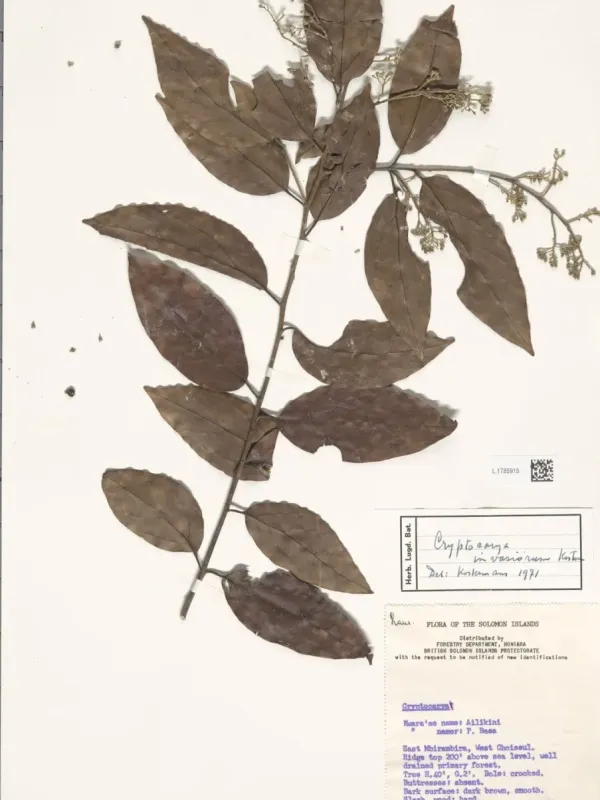
Description
Sowing dates
Cryptocarya is a member of the Lauraceae family that requires specific conditions for successful germination. Sowing is typically carried out in the spring when soil temperatures consistently reach 18-20 degrees Celsius.
The seeds should be placed in well-drained, nutrient-rich substrate at a depth of about two centimeters. Maintaining constant moisture during the germination phase is critical for achieving a high emergence rate.
Seed stratification is often recommended to break dormancy and ensure uniform plant growth. This process mimics natural winter conditions and significantly improves the success rate of the nursery phase.
Sowing density is determined by the intended cultivation method and the available mechanical equipment. A spacing of 40-50 centimeters between rows is considered standard for large-scale operations.
In regions with cooler climates, greenhouse starter kits can be used to protect young seedlings from early spring cold snaps before they are moved to the permanent planting site.
Growing requirements
This crop thrives in fertile loamy soils with a neutral to slightly acidic pH. Proper soil drainage is essential, as Cryptocarya is highly susceptible to root damage caused by stagnant water or anaerobic conditions.
Cryptocarya prefers warm temperatures, ideally between 22 and 28 degrees Celsius during the active growing season. Protection from strong winds is necessary to prevent mechanical damage and excessive moisture loss.
Regular irrigation is required throughout the growing season, particularly during the flowering and fruit development stages. Drip irrigation systems are highly efficient for maintaining soil moisture at an optimal level.
Balanced fertilization is key to the health of the plant. A program incorporating both nitrogen-based fertilizers for leaf growth and potassium-based nutrients for fruit quality is highly recommended.
Adequate sunlight exposure is vital for the accumulation of essential oils and other biochemical components within the plant tissue, which contributes to the overall value of the crop.
Yield
The yield of Cryptocarya is closely tied to agrotechnical precision and the management of environmental stressors. Proper thinning and weed control are essential for maximizing the productivity per hectare.
Field data suggests that consistent soil management practices, including annual mulching, contribute to higher plant resilience and increased fruit output throughout the lifecycle of the plantation.
Using growth stimulants can enhance the plant's metabolic rates, leading to larger harvests. However, these should be applied cautiously to ensure that the ecological standards of the produce are met.
Monitoring the growth phases allows farmers to adjust fertilization levels dynamically. This targeted approach to nutrient management is a proven strategy for boosting overall agricultural yields.
Regularly cleaning the area between rows helps reduce competition for nutrients, ensuring that the primary crop has access to all the resources required for maximum development.
Main diseases and pests
The primary threats to Cryptocarya involve fungal infections, especially fusarium wilt, which can devastate entire crops if not managed early. Effective drainage and crop rotation are the first lines of defense.
Pests such as aphids and mites often target the tender shoots and leaves. Integrated pest management, which includes the use of natural predators and selective insecticides, is the most effective approach.
Crop rotation protocols suggest a waiting period of at least four years before planting other Lauraceae species in the same field. This prevents the accumulation of soil-borne pathogens and pests.
Wireworms can cause significant damage to young seedlings. Pre-sowing soil treatments are recommended if pest populations exceed established economic thresholds in a given region.
Frequent field inspections are necessary for the early detection of stress symptoms. Timely intervention can effectively halt the spread of localized infections before they reach the rest of the farm.
Harvesting
The harvesting process requires precision to avoid bruising the delicate fruit. It is best conducted during dry, clear weather to ensure that the produce has a longer shelf life and better transportability.
Manual harvesting is common for premium quality crops to ensure each fruit is handled correctly. For large-scale production, mechanical harvesters with soft touch systems are employed to minimize losses.
Post-harvest, the product should be sorted and cleaned of any organic debris. Drying must be performed in a cool, ventilated area to preserve the aromatic qualities and essential oils of the fruit.
Storage should take place in climate-controlled environments with a humidity level not exceeding 60%. Proper airflow in storage containers prevents the buildup of mold and maintains quality over time.
Transportation logistics should focus on minimizing handling and transit time. Utilizing temperature-controlled shipping containers ensures that the product reaches the consumer in peak condition.