
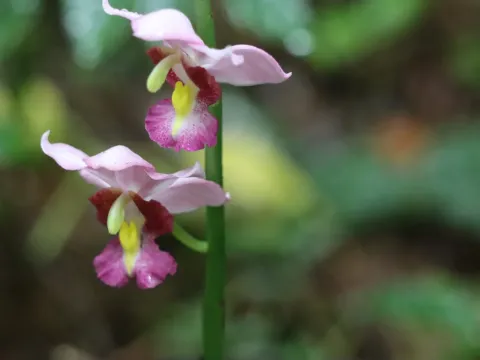
Calanthe
Calanthe
Calanthe orchids are primarily propagated through the division of pseudobulbs during the plant's dormant phase to ensure optimal growth success.
What the section contains
 Calanthe biloba
Calanthe biloba
Calanthe biloba
 Calanthe brevicornu
Calanthe brevicornu
Calanthe brevicornu
 Calanthe densiflora
Calanthe densiflora
Calanthe densiflora
 Calanthe herbacea
Calanthe herbacea
Calanthe herbacea
 Calanthe hololeuca
Calanthe hololeuca
Calanthe hololeuca
 Calanthe hybrids
Calanthe keshabii
Calanthe keshabii
Calanthe hybrids
Calanthe hybrids
Calanthe keshabii
Calanthe keshabii
 Calanthe masuca
Calanthe masuca
Calanthe masuca
 Calanthe puberula
Calanthe puberula
Calanthe puberula
 Calanthe sylvatica
Calanthe sylvatica
Calanthe sylvatica
 Calanthe tricarinata
Calanthe tricarinata
Calanthe tricarinata
 Calanthe triplicata
Calanthe triplicata
Calanthe triplicata
 Calanthe vestita
Calanthe vestita
Calanthe vestita
Calanthe
Each section for planting should ideally contain at least two to three mature pseudobulbs to provide sufficient energy for new shoots.
The ideal period for division and repotting is early spring, just as the new growth buds begin to swell and active root development commences.
Shallow, wide containers are preferred to allow the spreading root system to develop while preventing the excessive accumulation of moisture in the substrate.
Proper sanitation of tools during the division process is essential to prevent the spread of viruses or bacterial infections between plant specimens.
As a member of the Orchidaceae family, Calanthe requires a stable environment with bright, indirect light to thrive and produce healthy foliage.
The growing medium should be a well-draining, moisture-retentive blend comprising bark, perlite, and high-quality leaf mold to mimic natural forest floor conditions.
Temperature management is crucial, requiring a warmer growing season followed by a distinct, cooler dry period to trigger the next flowering cycle.
Regular watering is necessary during the active growing phase, whereas watering should be strictly reduced once the leaves begin to yellow and drop.
High humidity levels and good air circulation are vital to prevent dehydration and to ensure that the plants remain resistant to physiological stress.
Common pests include spider mites and aphids, which are particularly troublesome when air humidity is allowed to drop significantly below recommended levels.
Root rot, often caused by poor drainage or overwatering during the dormant period, is the most lethal condition for Calanthe orchids.
Fungal leaf spots can occur when water is left on the foliage for extended periods, especially in environments lacking adequate airflow.
Integrated pest management strategies, including the use of neem oil or targeted insecticides, are effective if applied upon the first signs of infestation.
Maintaining a clean growing area and isolating new plants are fundamental practices to mitigate the risk of introducing diseases into the collection.