
Calanthe hybrids
Calanthe hybrids
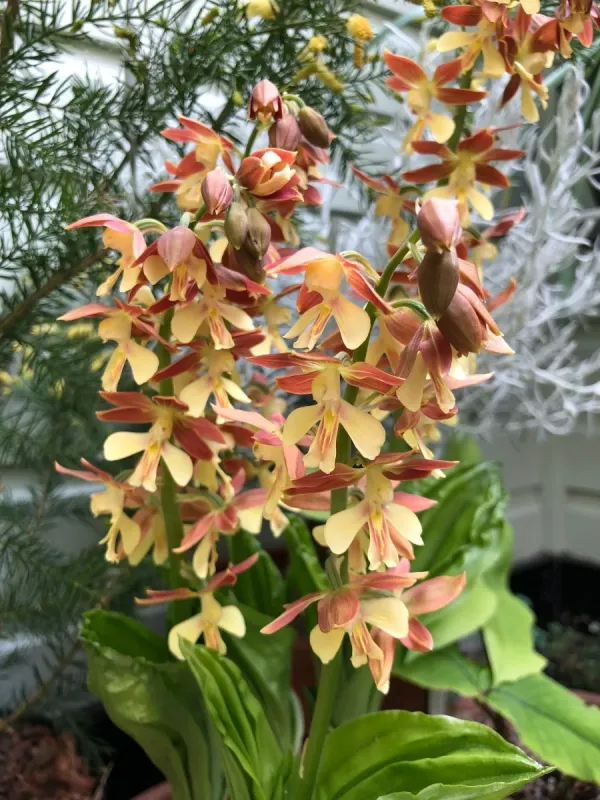
Description
Growing requirements
Calanthe hybrids belong to the Orchidaceae family and are highly prized for their architectural beauty and long-lasting floral displays. These sympodial orchids are primarily developed for professional ornamental horticulture in greenhouse environments where strict control over climatic parameters is achievable.
The ancestral species originate from the tropical and subtropical forest belts of Asia and Australia. Consequently, modern hybrids require a simulated tropical environment with high relative humidity and a stable temperature range, typically between 20°C and 25°C during the active growth phase.
Soil requirements for Calanthe are specific, necessitating a loose, airy, and well-draining substrate. A typical mix consists of pine bark, sphagnum moss, and charcoal, which ensures optimal aeration of the root system while maintaining the necessary acidic pH balance for nutrient uptake.
Light management is crucial, as these orchids thrive under bright but filtered light conditions. Direct solar radiation can cause leaf necrosis, while insufficient light leads to weak, elongated pseudobulbs that fail to produce quality blooms during the flowering cycle.
Watering regimes must strictly follow the plant's physiological phases. During the growth season, high moisture is essential; however, in the dormancy period, which typically follows leaf drop, irrigation must be significantly reduced to prevent root rotting and metabolic stress.
Main diseases and pests
The primary threats to Calanthe hybrids include fungal infections, such as black rot and Fusarium wilt. These pathogens thrive in stagnant air and overwatered substrates, rapidly destroying the root system and pseudobulbs, which are vital for the plant's energy storage.
Common insect pests include spider mites and mealybugs, which exploit the succulent tissues of the plants. Their activity can weaken the overall vigor of the orchid, necessitating a consistent monitoring schedule and the use of specialized chemical or biological controls when infestations occur.
Viruses also pose a significant risk in mass production. As they are often transmitted through infected tools or sap-sucking insects, strict sanitary protocols, including regular sterilization of gardening implements, are mandatory to maintain a disease-free nursery stock.
Nutrient deficiency or toxicity from improper fertilization can also mimic disease symptoms, leading to leaf chlorosis or tip burn. Using balanced, orchid-specific fertilizers is essential to support robust growth and to bolster the plant's natural resistance to environmental stress factors.
Effective management relies on a proactive approach to integrated pest and disease control. By maintaining optimal air circulation and ensuring substrate hygiene, growers can successfully mitigate the risks of plant loss and ensure high-quality floral production.