
Calanthe masuca
Calanthe masuca
Description
Growing requirements
Calanthe masuca is a perennial terrestrial orchid belonging to the family Orchidaceae. This species originates from the tropical forests of Asia, specifically distributed across India, Southeast Asia, and parts of the Philippines, where it thrives in humid and shaded habitats.
The cultivation of this orchid requires specific climatic conditions, primarily high humidity and stable temperatures. It performs best in environments where temperatures remain between 20°C and 28°C, simulating the natural forest floor atmosphere where the species is natively found.
Soil requirements for Calanthe masuca involve a specialized, well-draining substrate. Growers typically use a mixture of bark, leaf mold, perlite, and sphagnum moss to ensure that the root system has sufficient aeration while retaining necessary moisture levels for growth.
Regarding agrotechnical practices, the orchid requires consistent but careful irrigation. It is essential to allow the substrate to dry slightly between waterings to prevent root decay. During the growing season, a balanced, dilute liquid fertilizer is recommended to support robust flowering.
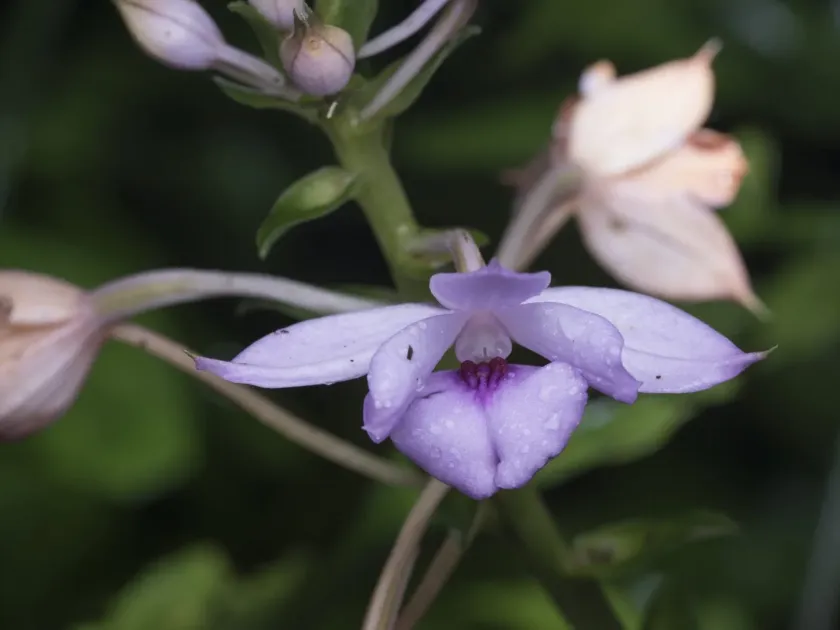
The primary economic use of Calanthe masuca is in the ornamental plant industry, particularly in specialized horticulture and conservatory displays. Its striking floral display, featuring distinct purple to lilac-colored blossoms, makes it a prized specimen for greenhouse collections.
Main diseases and pests
The main phytosanitary challenges for this crop include fungal infections that primarily affect the rhizomes and pseudobulbs. These diseases are often the result of poor air circulation and waterlogged soil, which provide ideal conditions for pathogens to thrive.
Pest management is crucial for the health of Calanthe masuca, with spider mites and scale insects being the most frequent threats. Preventive measures, such as maintaining appropriate humidity levels and inspecting plants regularly, are effective ways to minimize the risk of infestation.