
Calanthe sylvatica
Calanthe sylvatica
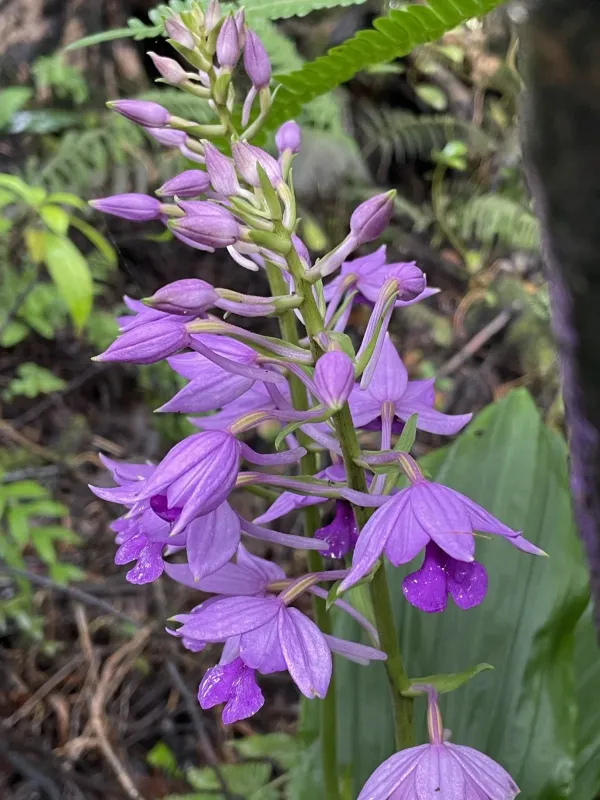
Description
Growing requirements
Calanthe sylvatica is a robust terrestrial orchid species belonging to the Orchidaceae family. It is native to the tropical forests of Africa and parts of Asia, typically found in shaded, humid environments.
Botanically, it is characterized by a sympodial growth habit, featuring distinct pseudobulbs that store nutrients and moisture. The leaves are broad and plicate, requiring protection from harsh, direct sunlight to prevent leaf scorch.
Cultivation requires a well-draining, nutrient-rich substrate. A standard mix includes conifer bark, peat, perlite, and sphagnum moss to maintain an optimal balance between aeration and water retention.
The plant thrives in moderate temperatures between +18 and +25 degrees Celsius. Consistent humidity levels around 60–70 percent are essential for healthy development, especially during the active growing phase.
Used primarily as an ornamental plant in collections and specialized greenhouse horticulture, this species is highly valued for its striking inflorescences. Proper management ensures vigorous growth and consistent flowering cycles.
Main diseases and pests
The main threats to Calanthe sylvatica are fungal infections caused by overwatering and poor air circulation. Root and pseudobulb rot can occur rapidly if the growing medium remains waterlogged for too long.
Common pests include spider mites, aphids, and scale insects that feed on the sap of the orchid. These pests are particularly problematic in environments with low air humidity or poor sanitation practices.
Disease management relies on preventive measures such as ensuring excellent drainage and using sterile potting media. Fungicide treatments are effective if applied during the early stages of infection.
Control of insect pests involves the application of appropriate insecticides or horticultural oils. Regular monitoring of the foliage and stems is vital for the early detection and treatment of infestations.
Maintaining a clean and hygienic growing area is essential for preventing the spread of pathogens. All tools should be sanitized regularly, and infected plants should be isolated to protect the rest of the collection.