
Calanthe densiflora
Calanthe densiflora
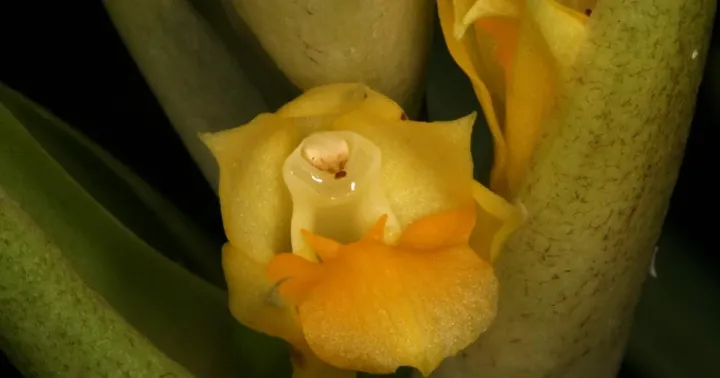
Description
Growing requirements
Calanthe densiflora is a distinct species belonging to the Orchidaceae family, native to the mountainous forests of Asia. It is prized for its dense inflorescences and robust pseudo-bulbs, which store moisture and nutrients for the plant's survival.
The climate requirements for this culture are specific: it thrives in high humidity conditions with temperatures oscillating between 18°C and 24°C. Proper air circulation is vital to prevent leaf stagnation and ensure healthy gas exchange for the plant.
Soil composition must prioritize aeration and water management. An ideal growing medium consists of coarse bark, perlite, and dried sphagnum moss, which mimics the natural epiphytic or terrestrial habitat of the orchid.
Agronomic practices involve scheduled fertilization during the active growing phase. Using a balanced, low-salt fertilizer formulation helps promote steady development without damaging the delicate root systems typical of Calanthe species.
Consistency in moisture management is critical. While the plant requires regular watering to keep the pseudo-bulbs plump, it is essential to allow the substrate to dry slightly between sessions to prevent anaerobic conditions.
Main diseases and pests
Fungal pathogens such as Pythium and Phytophthora pose a significant threat to the root system if water management is poorly handled. Sanitation of the tools and environment is necessary to prevent infection spread.
Common pests include scale insects and mealybugs, which tend to congregate in the leaf axils. Early detection and treatment with horticultural oils or specific systemic insecticides are the standard methods for controlling these infestations.