
Calanthe puberula
Calanthe puberula
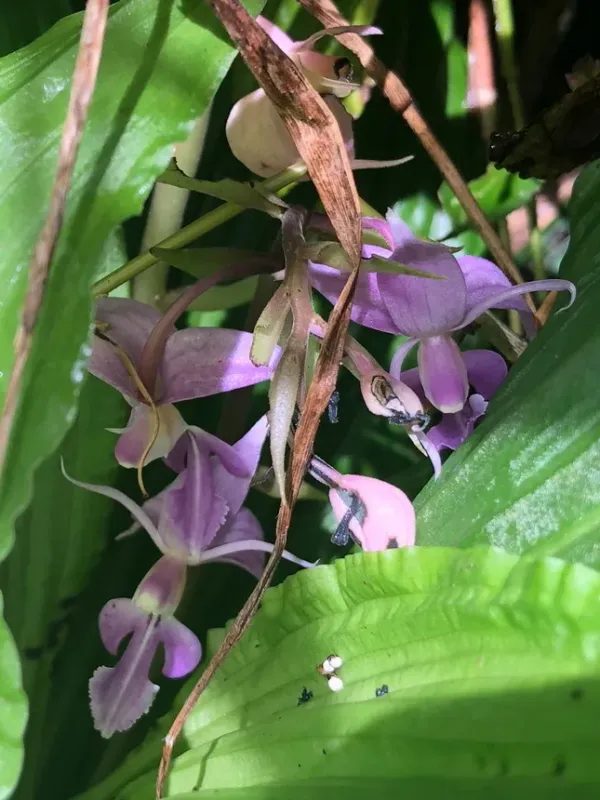
Description
Growing requirements
Calanthe puberula is an elegant species within the Orchidaceae family, native to the mountain forests of East and South Asia. As a terrestrial orchid, it thrives in shaded, cool, and humid environments, making it a unique addition to specialized collections or botanical greenhouse displays.
The plant exhibits a sympodial growth pattern, forming distinct pseudobulbs that support long, pleated, lanceolate leaves. These leaves contribute to the plant's structural beauty throughout the growing season, while the flowers provide a delicate, ethereal aesthetic during the bloom cycle.
Cultivation success relies heavily on replicating its native habitat conditions. The species requires bright but indirect light; direct sunlight must be strictly avoided, as it can cause rapid leaf desiccation and permanent tissue damage.
Soil requirements for Calanthe puberula focus on high organic matter content mixed with porous materials. A suitable potting mix should include fine-grade orchid bark, leaf mold, perlite, and sphagnum moss to ensure that the roots remain moist but never waterlogged.
The thermal management of the culture is essential. During the active growing period, temperatures should remain moderate, ideally between 18°C and 22°C. A distinct cooling-down period during the winter is critical to signal the plant's dormancy phase and prepare for the next flowering stage.
Main diseases and pests
The most significant threat to the health of Calanthe puberula is crown and root rot, primarily driven by excessive watering or poor drainage in the container. Once a fungal infection takes hold, it can rapidly compromise the integrity of the pseudobulbs.
Pest pressures primarily include sap-sucking insects such as mealybugs, aphids, and spider mites. These pests thrive in dry indoor environments and can quickly debilitate the plant by extracting essential nutrients from the foliage and young growth.
Thrips pose a specific risk to the flowering aspect of the plant. They feed on the tender tissues of the buds and open flowers, resulting in deformed blooms and significant loss of aesthetic appeal for both hobbyist and commercial growers.
Effective management strategies revolve around a proactive approach to plant hygiene. This includes the frequent removal of debris from the pot surface and ensuring that water does not sit in the leaf axils, which could invite bacterial infections.
Integrated pest management protocols, including the use of neem oil or targeted acaricides, should be employed at the first sign of an infestation. Maintaining optimal airflow around the plants is one of the most effective ways to mitigate disease risks in a greenhouse setting.