
Calanthe hololeuca
Calanthe hololeuca
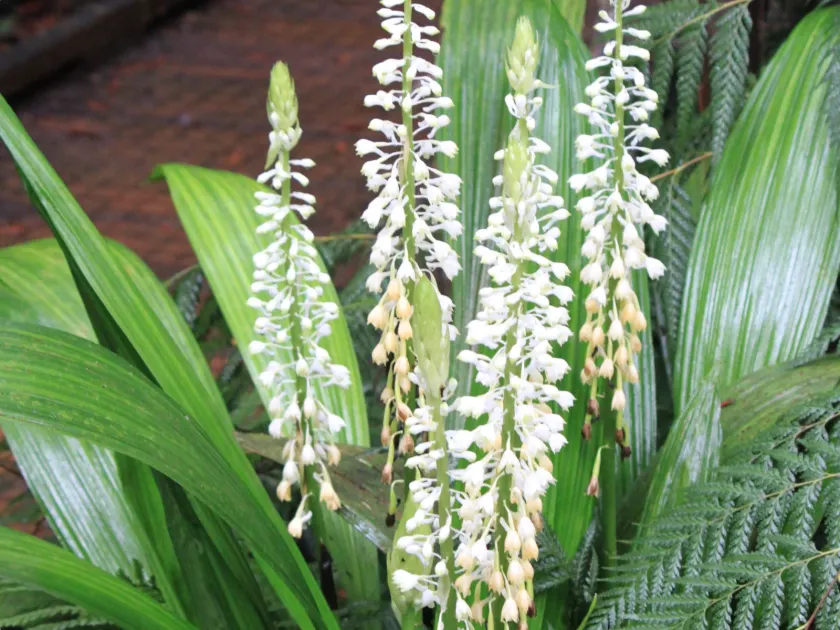
Description
Growing requirements
Calanthe hololeuca is a remarkable herbaceous perennial belonging to the Orchidaceae family. It is highly prized in specialized horticulture for its pristine white flowers and structural elegance, typical of its genus.
Originating from tropical ecosystems, this plant thrives in environments that replicate high humidity and diffused light. Its native habitat is characterized by shaded forest floors with rich, organic, and well-draining soil.
When cultivating Calanthe hololeuca, it is essential to maintain a temperature range between 20°C and 25°C. The plant exhibits high sensitivity to sudden drafts and requires a stable microclimate to remain healthy and productive.
The potting medium must be porous and slightly acidic. A common blend includes pine bark, perlite, and dried sphagnum moss. This combination ensures that the roots have sufficient access to oxygen, which is vital for metabolic processes.
Agrotechnical management includes controlled irrigation patterns that prevent the roots from drying out completely while avoiding stagnation. Regular but light fertilization is required during the vegetative phase to support blooming.
Main diseases and pests
The most common threats to this orchid include various fungal pathogens such as Pythium and Rhizoctonia, which target the root system. These infections are often triggered by improper watering schedules or poor drainage.
Insect pests, particularly aphids and spider mites, pose a significant risk to foliage health. If left untreated, these pests can cause yellowing and necrosis of the leaves, eventually leading to plant decline.
Mechanical damage during repotting can also serve as an entry point for viruses. Therefore, using sterilized tools is a fundamental rule in the care of Calanthe species to prevent disease transmission.
Effective pest control involves a combination of mechanical removal and targeted acaricide application. Growers must ensure that the humidity levels remain high enough to deter spider mites, which prefer drier conditions.
Routine monitoring of the plant’s health allows for early detection of potential outbreaks. By maintaining a clean growing area and inspecting leaves regularly, growers can ensure the longevity of their Calanthe specimens.