
Calanthe herbacea
Calanthe herbacea
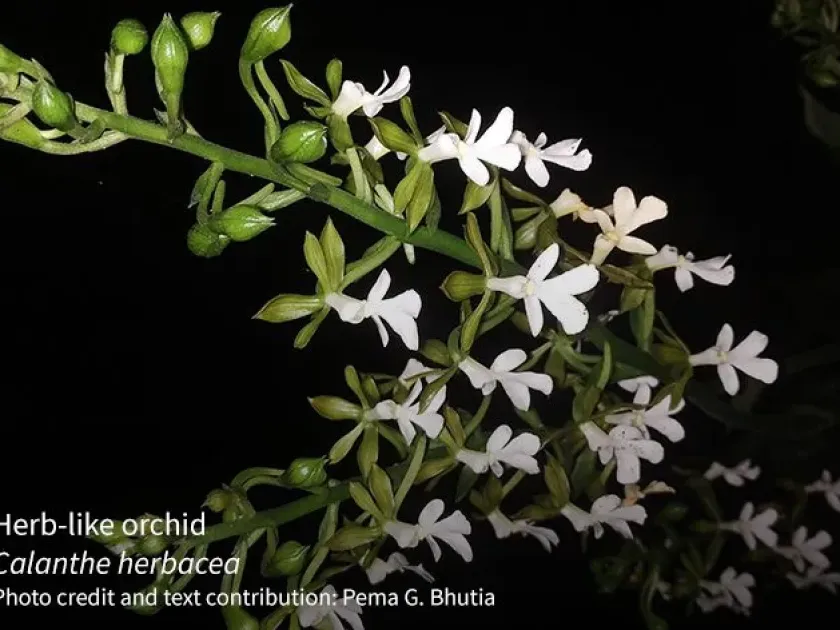
Description
Sowing dates
Propagation of Calanthe herbacea in commercial horticulture is primarily achieved through the vegetative division of pseudobulbs during the plant's dormant phase. The ideal timing for this procedure is early spring, immediately before the commencement of the new growing season.
Seed propagation is notoriously difficult in a cultivation setting due to the complex symbiotic requirements of mycorrhizal fungi necessary for germination. Consequently, vegetative division remains the preferred method to maintain genetic consistency and ensure vigorous growth.
When potting the divisions, it is critical to ensure the root crown is not planted too deeply, as this can lead to rot if moisture levels are high. Proper placement in a container with a high-quality drainage layer is essential for success.
Establishing the new divisions requires a stable temperature range between 18–22 degrees Celsius. During the first weeks of acclimation, providing high-quality, filtered light and protecting the plants from desiccation are key management steps.
Agricultural professionals favor container-based production systems, as they allow for precise control over the substrate composition and nutritional intake, facilitating faster development and more consistent yield of marketable pseudobulbs.
Growing requirements
Calanthe herbacea, a member of the Orchidaceae family, is a deciduous perennial that requires specific environmental controls to thrive. It naturally originates from forested regions, necessitating a habitat that mimics forest floor conditions.
The plant requires diffused, bright light rather than direct sunlight. In a production environment, shading mechanisms must be employed to prevent leaf burn and ensure optimal photosynthetic efficiency during the growing months.
The growing medium must be highly porous and rich in organic matter. A professional substrate usually consists of a blend of orchid-grade bark, leaf mold, perlite, and charcoal, which ensures optimal root aeration and prevents compaction.
Climate control is paramount, as Calanthe herbacea is sensitive to extreme temperatures. It requires a distinct growing season with warmth and moisture, followed by a cooler, drier dormancy period to initiate the next cycle of growth and potential flowering.
Nutritional management involves the application of balanced, orchid-specific liquid fertilizers during the active growth phase. Monitoring the pH of the substrate is necessary to ensure optimal nutrient uptake and to prevent the accumulation of salts from irrigation water.
Main diseases and pests
The primary pest challenges for Calanthe herbacea include spider mites and scale insects. These pests thrive in environments with low humidity and poor ventilation, often requiring prompt intervention with targeted acaricides or insecticides.
Fungal infections, particularly root rot and crown rot, are the most significant threats to plant health. These are frequently caused by excessive moisture levels in the substrate combined with inadequate airflow around the root system.
Slugs and snails can cause significant physical damage to the leaves and developing flower spikes, particularly in humid greenhouse conditions. Implementing physical barriers and regular monitoring is essential for integrated pest management.
Bacterial leaf spots may occur when humidity is too high and ventilation is stagnant. If symptoms appear, removing the affected foliage and improving environmental circulation is necessary to contain the spread of the pathogen.
Integrated pest management protocols, including strict sanitation of tools and quarantine of new stock, are vital to maintaining the health and productivity of the crop throughout the entire life cycle of the plants.