
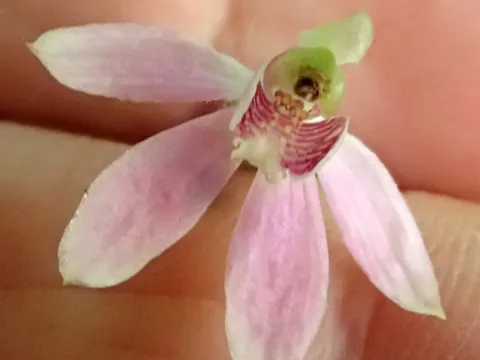
Caladenia
Caladenia
Caladenia is a genus of terrestrial orchids belonging to the Orchidaceae family. These plants, often referred to as spider orchids, are primarily native to Australia, where they have evolved to thrive in diverse ecological niches, ranging from woodland to coastal heathlands.
What the section contains


Caladenia
Botanically, these orchids are geophytes, characterized by an annual tuber that acts as a storage organ during the dormant season. The plant typically produces a single leaf and one or more spectacular, often highly specialized, flowers.
For successful cultivation, environmental conditions must closely mimic the plant's native habitat. This includes a distinct seasonal cycle: a period of active growth during cooler, moist months, followed by complete dormancy during hot, dry summer months.
The soil substrate is the most critical factor for survival. It must be highly porous, consisting of a mix of sand, grit, and sterile organic matter to ensure rapid drainage and avoid anaerobic conditions that lead to tuber rot.
Symbiotic relationships with specific mycorrhizal fungi are essential for the germination and long-term vitality of Caladenia. In a controlled horticultural setting, maintaining this biological balance is the primary hurdle for growers.
The most significant threat to this genus is the infestation of rot-causing pathogens, particularly Rhizoctonia and Phytophthora, which thrive in stagnant, overly wet conditions.
Aphids and scale insects frequently target the developing flower buds, leading to stunted growth. Regular inspection and the use of soft-soap solutions or targeted organic pesticides are recommended to mitigate these issues.
Mites can be particularly troublesome in glasshouse environments with low humidity, causing fine spotting on the leaves and eventually reducing the plant's photosynthetic capacity.
Viral diseases pose a silent threat to Caladenia populations. Once a plant is infected, there is no effective cure, and it must be isolated or destroyed to protect healthy individuals.
Excessive salinity in irrigation water causes chemical stress, leading to burnt leaf tips and poor tuber development, which inevitably causes the plant to fail to bloom in the following cycle.