
Calanthe biloba
Calanthe biloba
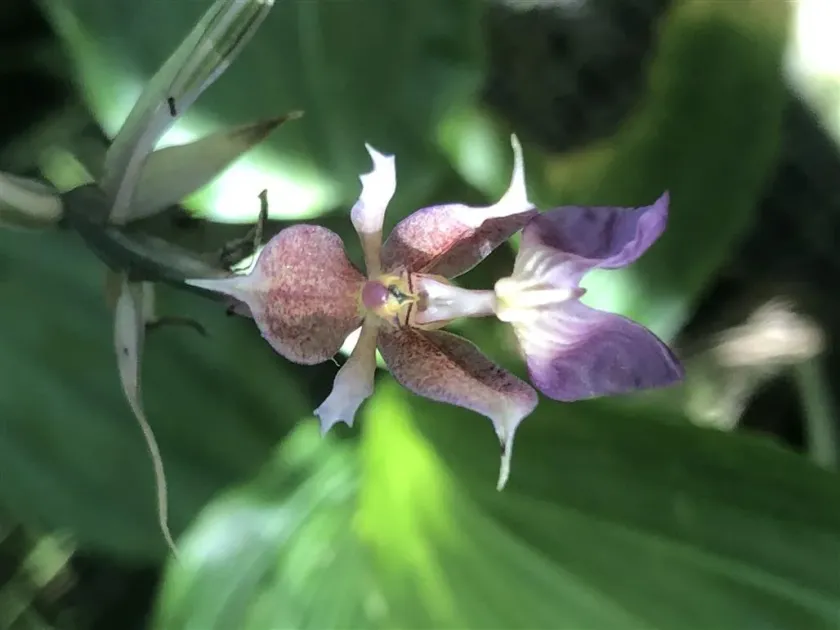
Description
Growing requirements
Calanthe biloba is a perennial herbaceous plant belonging to the Orchidaceae family. Native to the mountain forests of the Himalayas and Southeast Asia, this species thrives in humid, cool, and shaded environments, making it a unique choice for specialized horticulture.
The plant is categorized as a terrestrial orchid, developing pseudobulbs from which broad, corrugated leaves emerge. Its most distinctive botanical feature is the bilobed labellum (lip), which gives the flower its specific epithet and a high level of aesthetic interest for collectors.
Successful cultivation requires a well-draining, nutrient-rich substrate. A suitable potting mix should include pine bark, leaf mold, charcoal, and sphagnum moss. This composition ensures the roots receive sufficient aeration while maintaining the necessary level of consistent moisture.
Regarding climatic requirements, Calanthe biloba performs best in moderate temperatures. During the active growth phase, temperatures should be kept between 20°C and 24°C. A distinct dormant period during winter, with cooler temperatures around 15°C, is essential for triggering bloom.
Watering should be balanced to maintain steady soil moisture without creating waterlogged conditions. Using pure, low-mineral water is crucial, as the species is sensitive to salt accumulation in the root zone, which can impede growth and cause leaf tip burn.
Main diseases and pests
The primary threat to Calanthe biloba is root and pseudobulb rot, triggered by overwatering and poor soil aeration. This is the most common cause of plant failure, particularly when the substrate has decomposed and lost its structural integrity over time.
Pests such as spider mites and mealybugs are frequently observed, especially if the indoor environment lacks sufficient humidity. These pests feed on the plant sap, leading to stunted development and discolored leaves, which detracts significantly from the plant's health.
Fungal pathogens like Botrytis can infect the flowers during humid and cool conditions. Proper air circulation is the best preventive measure to ensure the floral displays remain pristine and free from necrotic spots throughout the blooming season.
Managing the plant requires strict adherence to hygiene protocols, such as cleaning gardening tools and isolating new specimens to prevent the introduction of pests or pathogens. If infestations occur, systemic insecticides or horticultural oils may be used carefully.
Regular monitoring of the growing environment is the key to minimizing risks. By ensuring that the plant is not kept in stagnant air and that the moisture levels are consistent, growers can successfully mitigate the majority of common horticultural threats.