
Calanthe brevicornu
Calanthe brevicornu
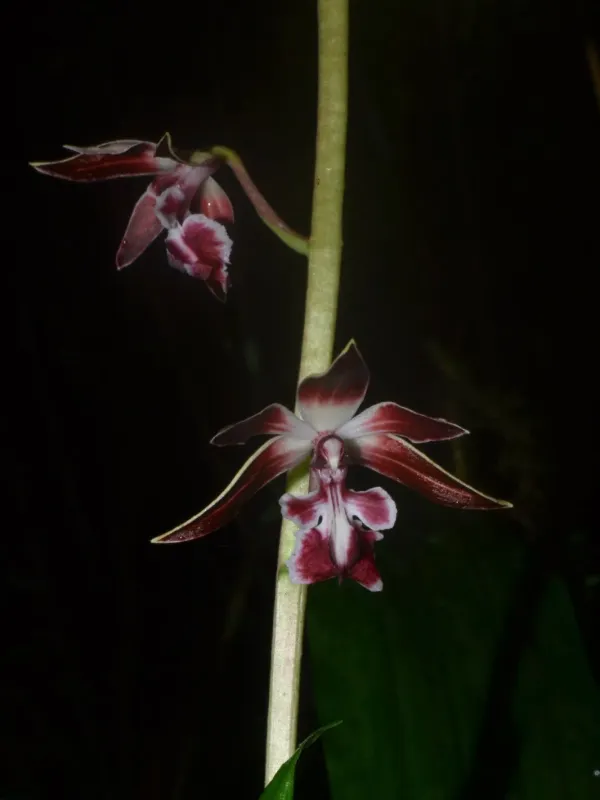
Description
Growing requirements
Calanthe brevicornu is a distinctive member of the Orchidaceae family. This terrestrial orchid is native to the temperate and subtropical forests of the Himalayas, China, and parts of Southeast Asia, where it thrives in shaded, moist environments.
The cultural requirements of this species focus on providing an environment that mimics its natural forest floor habitat. It performs best in bright, indirect light, avoiding harsh noon sun which can easily damage the delicate foliage.
Temperature management is vital for the successful blooming of this orchid. It requires a distinct seasonal cycle, with active growth occurring in warmer months, followed by a cool dormant period during the winter, typically between 10 to 12 degrees Celsius.
The substrate must be light, airy, and well-draining. A professional mix consisting of fine conifer bark, perlite, leaf mold, and a small amount of charcoal is ideal for maintaining the necessary balance of moisture retention and root aeration.
Regular hydration is essential throughout the growing season. The plant should be watered thoroughly, but the substrate must be allowed to dry slightly between waterings to prevent root suffocation or the onset of fungal diseases.
Main diseases and pests
Spider mites are the most common pests encountered in cultivation, especially if the air humidity levels are consistently low. Managing the environment with humidifiers or regular misting can significantly reduce the risk of infestation.
Fungal issues, including various types of rot, are frequently caused by poor airflow and stagnant water in the root zone. Ensuring that the orchid is placed in an area with good ventilation is the most effective preventative strategy.
Bacterial spots may appear on the foliage if the plant is exposed to excessive moisture combined with poor hygiene. Removing and isolating affected plants is necessary to prevent the spread of the pathogen through a collection.
Scale insects can occasionally attach themselves to the undersides of leaves or pseudobulbs, draining nutrients from the plant. Manual removal with a cotton swab dipped in isopropyl alcohol is an effective control measure for small populations.
Nutrient deficiency, particularly lack of nitrogen or magnesium, can weaken the plant's structural integrity. Using specialized orchid fertilizers at half-strength during the growing phase helps maintain robust health and increases resistance to stress.