
Calanthe triplicata
Calanthe triplicata
Description
Growing requirements
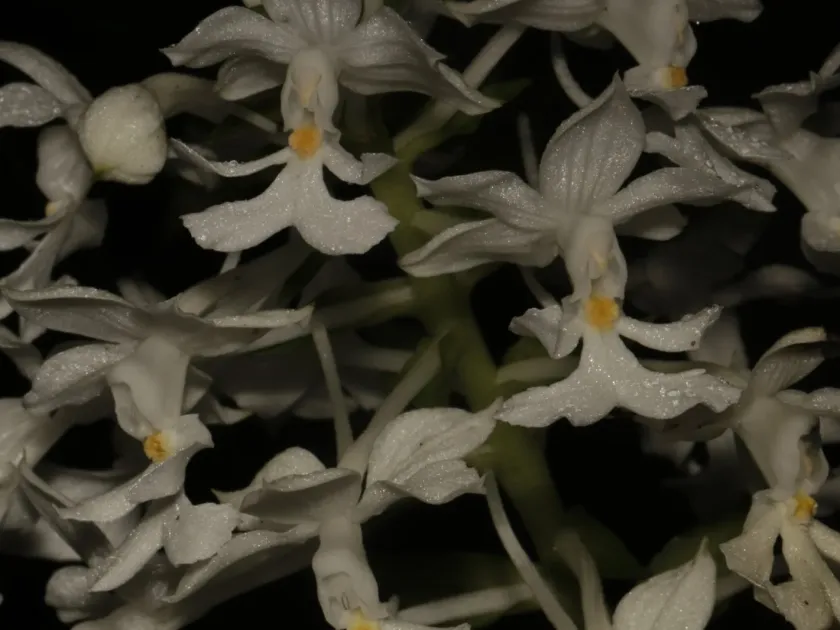
Calanthe triplicata is a terrestrial orchid species belonging to the Orchidaceae family. It is widely recognized in horticulture for its graceful, white, tri-lobed flowers and its ability to thrive in tropical and subtropical environmental conditions.
The plant is native to a broad range of regions, spanning from Southeast Asia to Australia and the Pacific Islands. In its natural habitat, it thrives in shaded forest floors, where it benefits from consistent humidity and well-drained, humus-rich soil.
Successful cultivation requires a potting medium that balances moisture retention with excellent aeration. Growers typically use a mixture of bark, charcoal, perlite, and sphagnum moss to simulate the natural forest environment and prevent root suffocation.
Climatic requirements involve moderate temperatures with a clear distinction between the active growth season and the dormancy period. Maintaining temperatures between 20°C and 25°C during growth and slightly cooler levels during winter is essential for healthy flowering.
Light intensity should be carefully managed, as Calanthe triplicata is sensitive to direct solar radiation, which can scorch the foliage. Providing bright, indirect light or filtered shade is the best practice to ensure vigorous growth and development.
Main diseases and pests
Pest management is a critical aspect of Calanthe husbandry. Spider mites and scale insects are common intruders, especially in environments with poor air circulation or excessively dry air, which weakens the plant's natural defenses.
Fungal rots, particularly those affecting the pseudobulbs, are frequently caused by overwatering or insufficient drainage. These conditions create a breeding ground for pathogens that can rapidly compromise the health of the root system.
To mitigate the risk of disease, it is recommended to maintain good hygiene in the growing space and ensure that foliage remains dry during the evening. If an infection is detected, the affected areas must be removed promptly to prevent the spread to healthy tissue.