
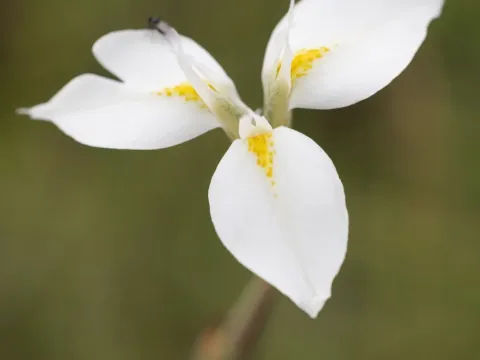
Moraea
Moraea
Moraea is a genus of bulbous plants within the Iridaceae family, widely known for their iris-like flowers. Originating primarily from Southern Africa, these plants are well-adapted to environments with distinctive wet and dry seasons, which is crucial to remember for cultivation.
What the section contains
 Moraea
 hybrids
Moraea
Moraea hybrids
 Moraea britteniae
Moraea britteniae
Moraea britteniae
 Moraea ciliata
Moraea ciliata
Moraea ciliata
 Moraea citrina
Moraea citrina
Moraea citrina
 Moraea collina
Moraea crispa
Moraea crispa
Moraea collina
Moraea collina
Moraea crispa
Moraea crispa
 Moraea flaccida
Moraea flaccida
Moraea flaccida
 Moraea graminicola
Moraea graminicola
Moraea graminicola
 Moraea huttonii
Moraea huttonii
Moraea huttonii
 Moraea lewisiae
Moraea lewisiae
Moraea lewisiae
 Moraea mediterranea
Moraea mediterranea
Moraea mediterranea
 Moraea ochroleuca
Moraea ochroleuca
Moraea ochroleuca
 Moraea polystachya
Moraea polystachya
Moraea polystachya
 Moraea ramosissima
Moraea ramosissima
Moraea ramosissima
 Moraea sisyrinchium
Moraea sisyrinchium
Moraea sisyrinchium
 Moraea spathulata
Moraea spathulata
Moraea spathulata
 Moraea tulbaghensis
Moraea tulbaghensis
Moraea tulbaghensis
 Moraea villosa
Moraea villosa
Moraea villosa
 Moraea xerospatha
Moraea xerospatha
Moraea xerospatha
 Pale moraea
Moraea pallida
Pale moraea
Moraea pallida
Moraea
Successful growth requires well-draining, sandy or loamy soils. The primary requirement for Moraea is to prevent waterlogging, as poor drainage is the leading cause of bulb rot and the primary failure factor for growers.
These plants thrive in full sun exposure. While they can tolerate light shade, their physiological needs are best met with maximum daylight, especially during the active growing season. Protection from frost is essential, as the majority of species are not cold-hardy.
Irrigation management should follow the plant's natural cycle. Provide regular water while the foliage is green and active, but significantly reduce watering once the foliage begins to yellow and die back, signaling the onset of dormancy.
Nutrient requirements are modest but benefit from a balanced, water-soluble fertilizer applied early in the growth phase. This ensures robust flower stalk production and strengthens the bulb for the subsequent vegetative cycle.
The most significant threats to Moraea are fungal pathogens, specifically those causing bulb and root rot, which are often exacerbated by humid and poorly aerated growing conditions.
Pests, such as aphids, thrips, and spider mites, are common nuisances that can cause mechanical damage and introduce viral infections. Regular monitoring of the underside of leaves is necessary for early detection.
Management of pest populations involves the use of systemic insecticides or biological controls depending on the specific environment and the intensity of the infestation.
Diseases are best managed through cultural practices, including crop rotation for ground-planted specimens and strict sterilization of containers and soil substrates for greenhouse crops.
Maintaining proper air circulation around the foliage is a key agronomic measure to prevent the development of powdery mildew and other foliar fungal issues during periods of high humidity.