
Moraea graminicola
Moraea graminicola
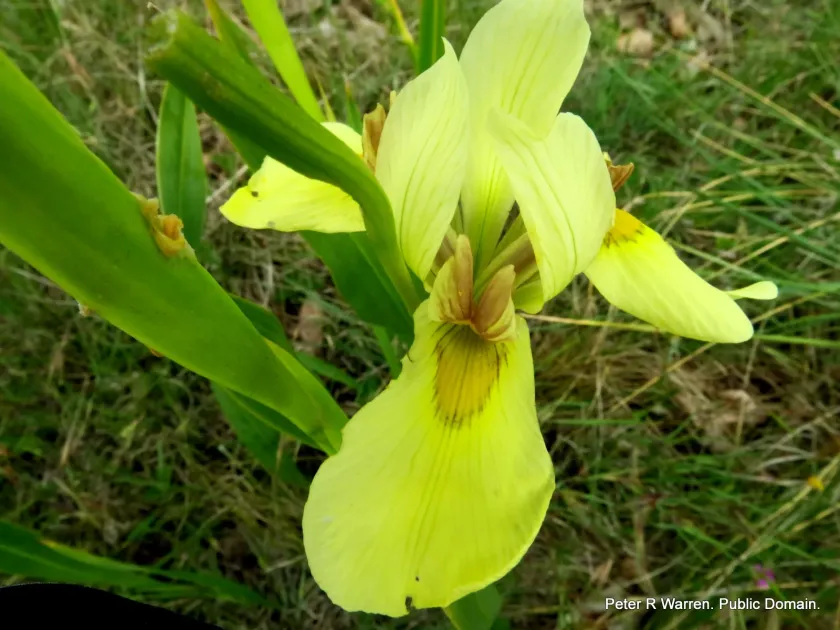
Description
Growing requirements
Moraea graminicola belongs to the Iridaceae family and is a perennial corm-forming plant native to the regions of Southern Africa. It is highly valued for its grass-like foliage, which gives the plant a distinct texture in any landscape or garden setting.
Botanically, the plant produces slender, narrow leaves and delicate flowers typical of the genus. Its compact growth habit, usually reaching up to 40 cm in height, makes it an ideal candidate for rock gardens and borders where soil drainage is excellent.
The cultivation of Moraea graminicola requires full exposure to sunlight to ensure proper photosynthetic activity and flower production. It does not tolerate shade well, as insufficient light often results in weak, spindly stems and reduced bloom quality.
Soil requirements focus on high permeability; the substrate should be sandy or loamy and well-drained. Avoiding waterlogging is essential, as the corms are highly susceptible to rot if they remain in saturated soil for extended periods.
Climate adaptation is a key factor; this plant thrives in Mediterranean-like conditions where winters are mild and summers are dry. In cooler zones, it is necessary to provide adequate protection or lift the corms before the ground freezes completely.
Main diseases and pests
The primary concern for Moraea graminicola is the presence of fungal infections that target the corm, often triggered by excessive moisture in the root zone. Ensuring well-draining soil and careful irrigation management are the best preventative measures.
Thrips are common pests that feed on the foliage and budding flowers, leaving behind unsightly spots and causing distortion. Regular inspections and the application of suitable insecticides can mitigate damage if infestation levels are high.
Nematode infestations can severely compromise the root system, causing the plant to decline in vigor. Soil sterilization or crop rotation in garden beds are recommended strategies to keep these microscopic pests under control over time.
Gastropods, including snails and slugs, are attracted to the young, emerging foliage during the spring. Implementing physical barriers like crushed eggshells or copper tape can help protect the plants from these hungry visitors during the early growing season.
- Corm rot (caused by overwatering)
- Thrips (foliage and floral damage)
- Root-knot nematodes
- Snails and slugs