
Moraea britteniae
Moraea britteniae
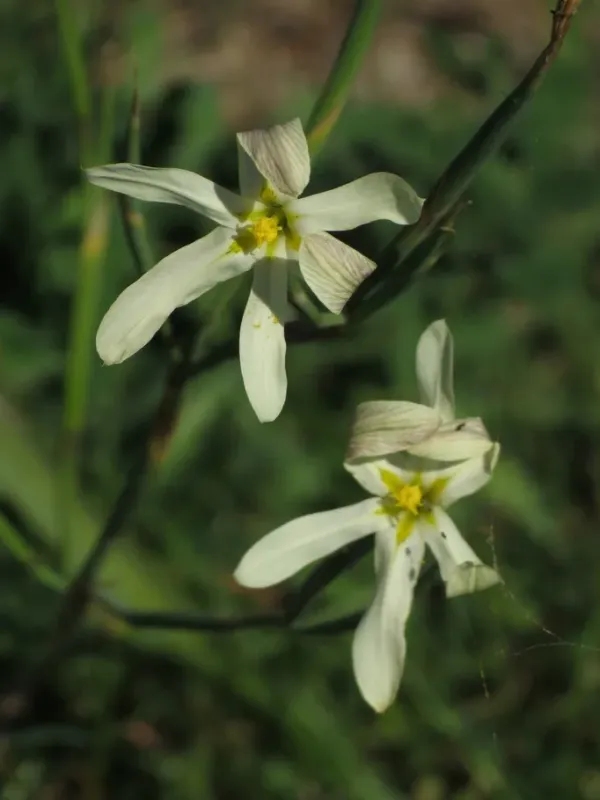
Description
Growing requirements
Moraea britteniae is a perennial herbaceous plant belonging to the Iridaceae family. Native to the southern regions of Africa, this species thrives in environments characterized by distinct seasonality, requiring specific management to mimic its natural habitat.
The primary requirement for successful cultivation is excellent soil drainage. The plant is highly susceptible to root rot if water lingers in the root zone; therefore, sandy or gritty soil substrates are highly recommended to ensure proper aeration.
Climate adaptation is crucial, as the species requires long periods of sun exposure to stimulate flowering. It prefers moderate temperature ranges during the growth phase, while avoiding excessive heat that could desiccate the bulbs prematurely.
During the dormant season, which typically follows the flowering cycle, the bulbs require a dry rest period. This is essential for the plant to store energy for the subsequent growth cycle and is a cornerstone of professional agrotechnics for this genus.
Fertilization should be handled carefully, emphasizing low-nitrogen formulas to prevent excessive foliage development and promote root system health. Potassium-based supplements are preferred to strengthen the bulbs before the winter dormancy.
Main diseases and pests
The main threats to the health of Moraea britteniae are fungal pathogens, specifically those causing basal rot in bulbs due to high humidity levels.
Poor ventilation within the planting area can lead to the rapid spread of mildew, affecting the aesthetic value of the leaves and stems.
Insect pests such as bulb mites and various aphids can severely weaken the plant by feeding on the sap or damaging the internal tissues.
Effective management includes regular monitoring of soil moisture and the immediate removal of any debris that could harbor pathogens or pests.
The use of preventative fungicide treatments before planting and maintaining a clean growing environment are essential to ensure long-term plant vigor.