
Pale moraea
Moraea pallida
Description
Growing requirements
Pale moraea (Moraea pallida) is a species of bulbous perennial plant belonging to the Iridaceae family. Native to South Africa, it is widely recognized for its elegant, light-colored flowers that add a delicate touch to botanical collections.
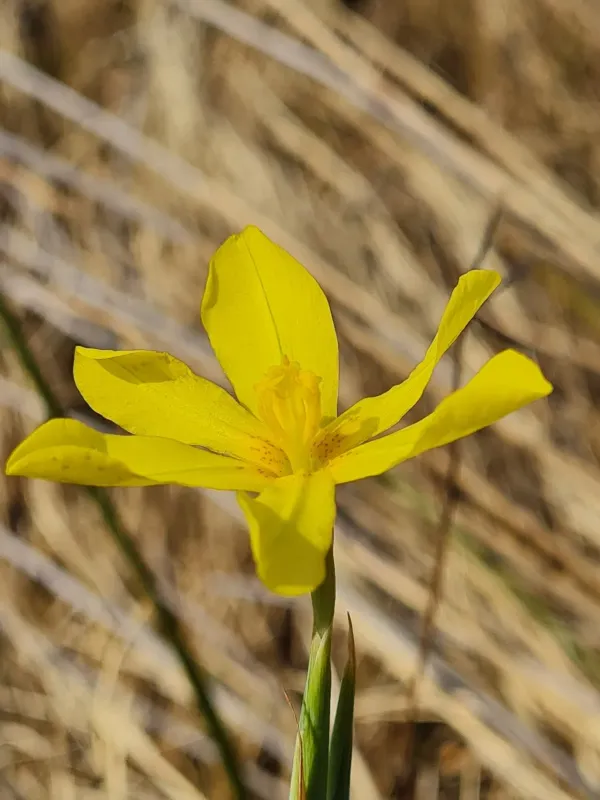
Botanically, the plant features narrow, grass-like leaves and distinct pale yellow to cream-colored blooms. It relies on its corm to store nutrients and moisture, allowing it to survive in its native habitats where environmental conditions can fluctuate significantly.
To cultivate this species successfully, growers must ensure a substrate that provides excellent drainage. A gritty soil mix is highly recommended, as the corms are prone to rotting if they remain in waterlogged conditions for extended periods.
The plant requires plenty of sunlight to thrive and bloom effectively. When kept indoors, it should be placed in the brightest available spot, typically near a south-facing window, to mimic the intense solar radiation of its natural environment.
Agrotechnical management requires a strict seasonal routine: provide active watering during the growing season while ensuring the plant undergoes a dry dormancy period. During dormancy, watering should be almost entirely withheld to mimic the natural dry season of its origin.
Main diseases and pests
The primary threats to Pale moraea include fungal pathogens, such as basal rot, which are often encouraged by poor air circulation and excessive substrate moisture. Proactive management of the watering schedule is the most effective way to prevent these issues.
Insect pests, including spider mites and thrips, can cause damage to the foliage, especially in environments with low humidity. Maintaining proper airflow and performing periodic inspections will help manage these pest populations and preserve the health of the plant.