
Iwanagara
x Iwanagara Hort.
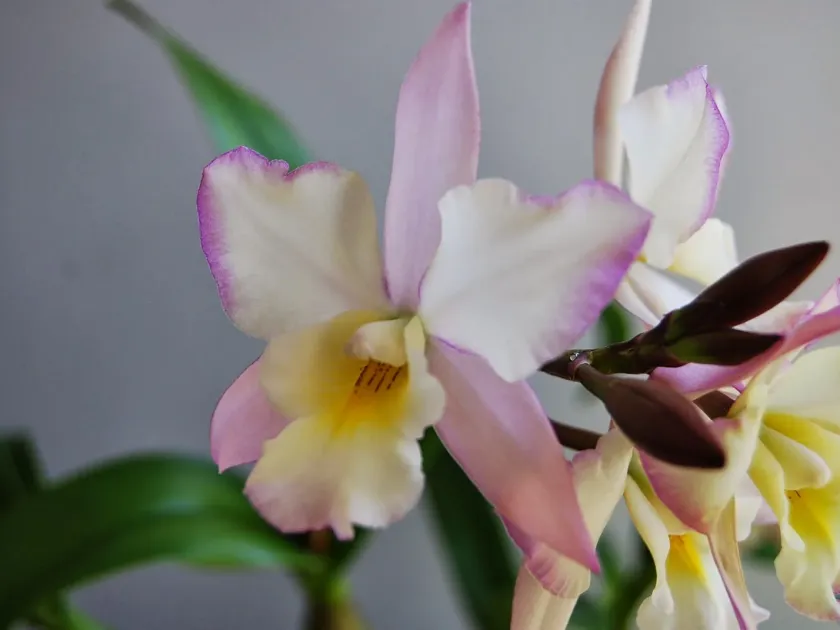
Description
Growing requirements
Iwanagara is a complex multi-generic hybrid within the Orchidaceae family, originating from a cross between Brassavola, Cattleya, Diacrium, and Laelia. This plant is a masterpiece of orchid breeding, prized for its large, fragrant, and long-lasting flowers.
Successful cultivation requires high levels of bright, filtered light. While the plant can tolerate some morning sun, midday exposure must be diffused to prevent leaf scorch and maintain the integrity of the foliage.
Temperature requirements are generally categorized as intermediate to warm. Keeping temperatures between 20°C and 26°C during the day, accompanied by a slight nighttime drop, helps encourage the plant's metabolic activity and flower induction.
For the growing medium, a coarse pine bark substrate is essential to ensure proper aeration and drainage for the roots. Epiphytic orchids like Iwanagara rely on rapid drying cycles to prevent root suffocation and decay.
Watering should be conducted thoroughly, allowing the substrate to dry significantly between applications. Maintaining a relative humidity of approximately 60-70% through misting or localized humidification systems is highly beneficial for healthy growth.
Main diseases and pests
Root rot, often caused by overwatering or compacted substrate, is the most significant threat to Iwanagara. Ensuring that the pot provides adequate ventilation is a standard preventative agronomic practice for these hybrids.
Scale insects are common pests that colonize pseudobulbs and leaf bases. These insects can be controlled through manual removal or the application of horticultural oils, provided they are applied during the cooler parts of the day.
Spider mites represent a frequent problem in dry, stagnant air conditions. Regular washing of foliage and maintaining proper ambient humidity levels are effective strategies to prevent mite infestations from becoming established.
Mealybugs are another persistent pest that hides in crevices of the plant. Their presence can often be spotted by the characteristic white, cotton-like substance they leave behind, which requires prompt treatment with appropriate systemic pesticides.
Viral infections present the most severe challenge, often transmitted via unsterilized pruning shears. As there is no cure for viral diseases in orchids, strict hygiene protocols must be followed to protect the rest of the collection.