
Moraea villosa
Moraea villosa
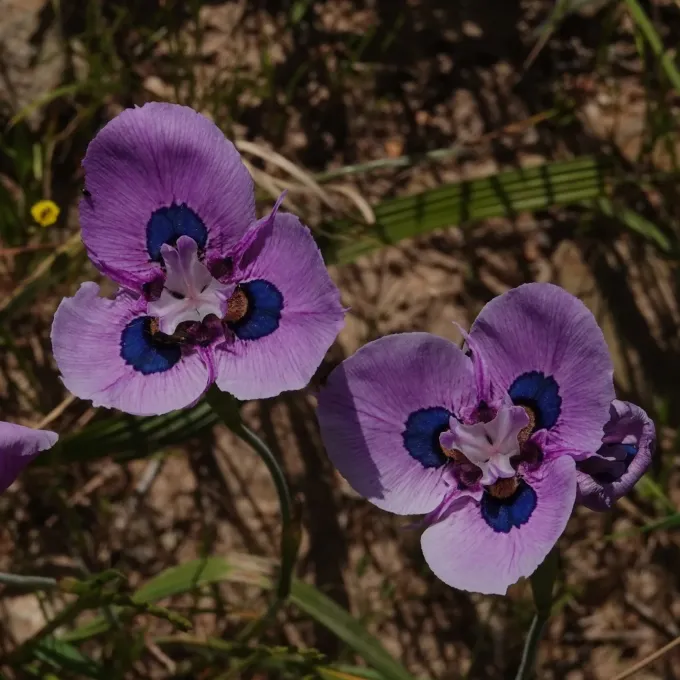
Description
Sowing dates
Moraea villosa is propagated primarily through seeds sown in the autumn or by division of cormlets during the dormant period. Sowing seeds in a well-draining substrate mimics the natural germination cycles of South African bulbs.
Seeds should be covered lightly with fine grit or soil, approximately 0.5–1 cm deep. Maintaining a cool environment during germination is crucial for developing healthy, robust root systems in the early stages.
Vegetative propagation by dividing the clusters of corms is performed once the foliage has completely withered. This ensures that the parent plant has stored enough energy for successful division.
When potting on seedlings, utilize a sandy, porous mix to ensure rapid water drainage. Avoid overcrowding containers to reduce competition for nutrients and space, which could lead to weak development.
Young plants require consistent monitoring for moisture levels. Pricking out should be done carefully to prevent damaging the fragile roots, which are essential for the plant's subsequent nutrient uptake.
Growing requirements
Moraea villosa is a member of the Iridaceae family, naturally adapted to a Mediterranean-like climate characterized by wet winters and dry, hot summers.
High light intensity is essential for this species. Providing full sun exposure is necessary to stimulate flowering and prevent the plants from becoming leggy or etiolated.
The soil must be extremely well-draining; sandy or gritty loams are preferred. Any accumulation of water around the corms will almost certainly lead to fungal decay and plant loss.
During the active growing season, temperatures between 15°C and 20°C are ideal. In containers, ensure adequate air circulation to regulate temperature and humidity levels around the foliage.
The summer dormancy period requires the corms to be kept dry and in a warm environment. Watering during this stage must be strictly avoided to prevent premature growth or rotting.
Main diseases and pests
Fungal pathogens, particularly Fusarium and various rot-causing fungi, represent the most significant threat to Moraea villosa, especially when soil drainage is compromised.
Pests such as spider mites and thrips can cause damage to the leaves when plants are kept in greenhouse environments with low humidity or insufficient ventilation.
Preventative measures include maintaining strict irrigation discipline and ensuring the growing environment provides sufficient cross-ventilation to keep foliage dry.
If fungal infection is detected, the affected corms should be lifted, treated with suitable systemic fungicides, and repotted in fresh, sterile soil to salvage the plant.
Insecticide treatments should be applied at the first sign of pest infestation. Always verify compatibility with delicate bulbous plants before full-scale application of chemical agents.